


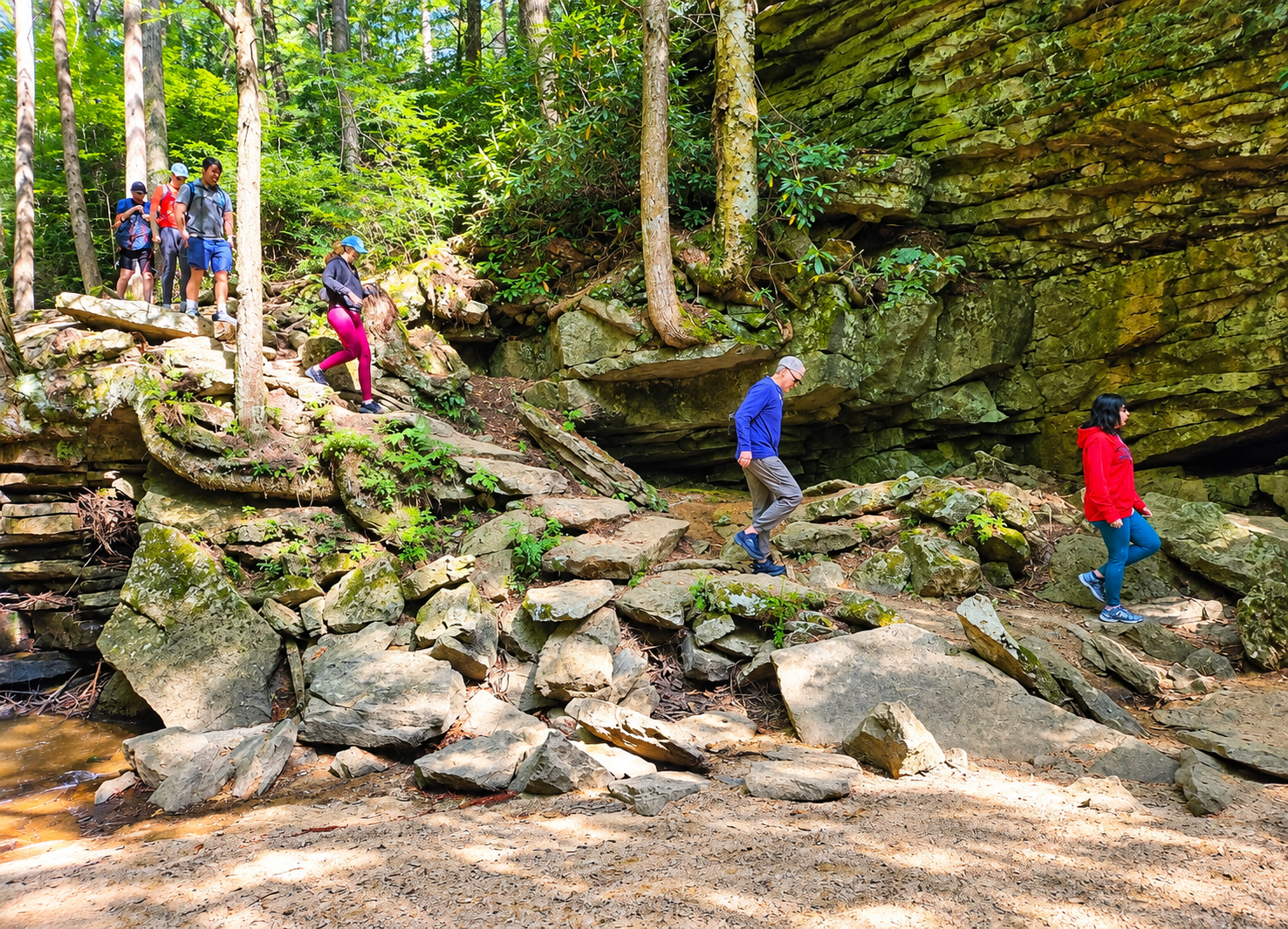
Imagine stepping onto a wooded trail on a cool autumn morning. Leaves crunch underfoot. The air feels fresh. Sunlight filters through red, orange, and gold foliage.
Then the trail turns uphill.
The temperature changes. The ground becomes damp with fallen leaves. The daylight seems shorter than expected. Suddenly, the beautiful hike requires a little more preparation than a summer walk.
That is why fall hiking in Maryland is best enjoyed with a simple plan. Autumn offers comfortable temperatures and spectacular scenery, but mountain conditions can change quickly. Maryland’s Department of Natural Resources recommends checking weather conditions, carrying water and snacks, and dressing in layers for fall hikes.
With the right preparation, hikers can spend less time worrying about the trail and more time enjoying the season.
Key Takeaways
- Check the weather, trail conditions, and daylight before leaving.
- Dress in layers and bring clothing for changing conditions.
- Choose a trail that matches the group’s experience and fitness.
- Carry water, food, navigation tools, first-aid supplies, and a light source.
- Slow down and treat fall hiking as an experience, not a race.
What Makes Fall Hiking in Maryland Different?
Fall hiking in Maryland combines cooler temperatures with changing mountain conditions.
A morning can feel chilly while the afternoon becomes warmer. Fallen leaves can hide roots, rocks, and uneven ground. Wet leaves can also make footing less predictable.
The shorter days deserve attention, too. A route that feels easy in summer may require more planning in autumn.
The Appalachian Trail crosses Maryland, and Maryland’s mountain trails include challenging terrain with steep slopes and difficult footing.
The key lesson is simple: the trail does not need to be extreme to deserve respect.
A Simple Definition
Fall hiking in Maryland means exploring Maryland’s wooded and mountain trails during autumn while preparing for cooler temperatures, changing weather, shorter daylight, and seasonal trail conditions.
1. Choose a Trail That Fits the Group
The best fall hike is not necessarily the longest or most difficult one.
Beginners should start with a manageable route. Intermediate hikers can select more challenging terrain when they have the appropriate experience and equipment.
Families should also consider the youngest or least experienced person in the group. A trail that sounds impressive on paper may not be enjoyable for everyone.
Before leaving, hikers should learn:
- Approximate trail length
- Terrain and elevation changes
- Expected hiking time
- Trail markings
- Parking and access information
- Current weather
- Any closures or restrictions
Research is one of the most important parts of Appalachian hiking. Experienced hikers often recommend studying the route before arrival rather than trying to solve navigation problems on the trail.
For visitors exploring Garrett County, this preparation can make a major difference.
2. Dress for Changing Fall Weather
One of the biggest mistakes beginners make is dressing for the temperature at the trailhead.
That can be misleading.
Once hiking begins, the body warms up. Later, wind or cloud cover can make the same trail feel much colder.
Layering provides a simple solution.
A practical fall hiking system can include:
- Base layer: A comfortable moisture-managing shirt.
- Middle layer: A fleece or similar warm layer.
- Outer layer: A weather-resistant jacket when conditions require it.
- Lower-body protection: Comfortable hiking pants suited to the weather.
- Footwear: Sturdy shoes or boots with appropriate traction.
The goal is flexibility. A hiker should be able to add or remove a layer without disrupting the entire outing.
3. Pack the Right Fall Hiking Essentials
A daypack does not need to feel like a suitcase.
It does need to contain the basics that can make an unexpected delay easier to handle.
Fall Hiking Preparation Checklist
| Practice | When It Helps | Simple Cue | Mistake to Avoid |
| Check weather | Before every hike | Look before leaving | Assuming yesterday’s weather will repeat |
| Carry water | Throughout the hike | Sip regularly | Waiting until thirsty |
| Pack layers | Changing temperatures | Add or remove as needed | Wearing one heavy layer |
| Carry navigation | Unfamiliar trails | Know the route | Depending only on a phone |
| Bring a light | Shorter autumn days | Pack before leaving | Assuming daylight will last |
| Carry basic first aid | Minor injuries | Keep it accessible | Leaving it in the car |
| Bring food | Longer outings | Pack simple snacks | Hiking without fuel |
| Tell someone the plan | Solo or remote hikes | Share route and return time | Leaving without telling anyone |
An emergency blanket can also be useful because it takes little space and can provide extra protection if a hiker becomes delayed.
A phone can support navigation and communication, but hikers should not treat it as their only safety tool. Remote portions of the Appalachian Trail may have limited cell service. Official guidance recommends carrying current maps and knowing how to use them.
4. Prepare for Shorter Days
Autumn daylight disappears sooner than many summer hikers expect.
This creates an easy trap. A group starts late, takes several photo breaks, stops for lunch, and suddenly realizes the return journey will happen near sunset.
A better approach is to start early enough to leave plenty of daylight for the entire outing.
A small headlamp or flashlight should also have a place in the daypack.
It may never be needed.
That is exactly the point.
Good preparation often means carrying something that becomes useful only when plans change.
5. Keep Hydration on the List
Cooler temperatures can make thirst less noticeable.
That does not mean water becomes unimportant.
Maryland’s Department of Natural Resources specifically recommends bringing water and continuing to stay hydrated during fall hikes.
Hikers should bring enough water for the planned outing and consider how long they may be outside if conditions slow them down.
Simple snacks can help maintain energy, especially on routes with sustained climbs.
The goal is not complicated nutrition planning. It is avoiding the situation where someone becomes tired, hungry, and uncomfortable several miles from the trailhead.
6. Pay Attention to the Trail Underfoot
Fall foliage creates beautiful scenery, but it can also hide what is underneath.
Leaves may cover roots, rocks, mud, or uneven sections of trail. After rain, those surfaces can become slippery.
That means hikers should watch their footing instead of constantly looking at the scenery.
This is especially important on Appalachian routes with slopes or rocky sections.
Walking at a comfortable pace is usually better than rushing toward a viewpoint. When the terrain becomes difficult, shorter steps and deliberate foot placement can help.
7. Think About Ticks and Other Outdoor Hazards
Fall does not mean outdoor hazards disappear.
The CDC recommends reducing exposure to ticks by staying on the center of trails, using appropriate insect repellent, wearing protective clothing, and checking clothing and gear after being outdoors.
A quick post-hike check can become part of the routine.
Hikers should inspect clothing, shoes, backpacks, and exposed skin after returning home.
Other hazards deserve attention as well. Wildlife should be observed from a respectful distance. Food should not be left scattered along trails or at campsites.
Responsible hiking protects both people and the environment.
8. Know When to Change the Plan
One of the most useful hiking skills is knowing when not to continue.
If severe weather approaches, visibility changes, the trail becomes unexpectedly difficult, or someone in the group is struggling, turning around can be the smartest decision.
A successful hike is not measured only by reaching the planned destination.
Sometimes success means returning safely with enough energy to enjoy another trail tomorrow.
The official trail safety guidance also recommends telling someone where a hiker plans to go and when they expect to return.
A Real-World Fall Hiking Example
Consider a couple planning their first autumn hike in Garrett County.
They choose a trail because the photos show beautiful foliage. Before leaving, they check the weather and discover that the morning will be cool with a chance of rain.
Instead of wearing one heavy jacket, they dress in layers. They pack water, snacks, a map, a first-aid kit, and a headlamp.
They also tell a family member where they are going and when they expect to return.
During the hike, wet leaves make one section more slippery than expected. Rather than rushing through it, they slow down.
That small decision changes the experience.
They still reach a scenic viewpoint, but the best part is not the photograph. It is knowing they handled the trail thoughtfully.
Do This, Not That
Do this: Check conditions before leaving.
Not that: Assume the trail will be the same as last weekend.
Do this: Dress in layers.
Not that: Dress only for the temperature at the parking area.
Do this: Carry navigation and a backup light.
Not that: Depend entirely on phone service.
Do this: Match the route to the group.
Not that: Choose a difficult trail simply because it looks impressive online.
Do this: Slow down on slippery or uneven ground.
Not that: Race through technical sections to stay on schedule.
When a Guided Hike Can Make Sense
Some visitors want to explore Maryland’s mountains but feel uncertain about choosing a route or understanding local terrain.
That is where a guided experience can be valuable.
A knowledgeable guide can help participants focus on the surroundings while following an appropriate route and learning about the natural environment.
For beginners, families, and visitors unfamiliar with Garrett County, guided hike tours near Deep Creek Lake can also provide a more structured way to experience the outdoors.
A guided trip does not remove every outdoor risk. Weather, terrain, wildlife, insects, and physical exertion remain part of hiking. Participants should follow safety instructions and bring suitable clothing, footwear, water, and personal necessities.
Specific routes and tour availability can also vary with conditions and season.
Frequently Asked Questions
What should someone wear for fall hiking in Maryland?
Layered clothing is usually the most practical approach. A comfortable base layer, insulating middle layer, and weather-resistant outer layer can provide flexibility as conditions change.
What should be packed for a fall hiking trip?
Water, snacks, navigation tools, a first-aid kit, extra clothing, and a flashlight or headlamp are useful starting points. The exact gear should match the trail, weather, and length of the hike.
Is fall a good season for beginner hiking in Maryland?
Yes, autumn can be an enjoyable time for beginners because cooler conditions can make outdoor activity more comfortable. Beginners should still choose manageable, well-marked trails and prepare for changing weather.
How can hikers stay safer on Maryland’s Appalachian trails?
Hikers should research the route, check conditions, share their plans with someone, stay aware of footing, carry navigation tools, and allow enough daylight for the return trip.
Can visitors explore the area with a guided hiking experience?
Yes. All Earth Eco Tours, LLC offers guided outdoor experiences. Visitors should confirm current routes, availability, seasonal conditions, and preparation requirements before booking.
Conclusion
The best fall hiking in Maryland begins before the first step onto the trail.
Good preparation means choosing an appropriate route, checking conditions, dressing in layers, carrying essential supplies, and allowing enough time to return safely. It also means accepting that mountain weather and trail conditions can change.
Once those basics are handled, hikers can slow down.
They can notice the changing leaves, listen to the forest, watch for wildlife, and enjoy the quiet moments that make autumn memorable.
The goal is not simply to finish a trail. It is to return home feeling that the day outside was worth every step.