


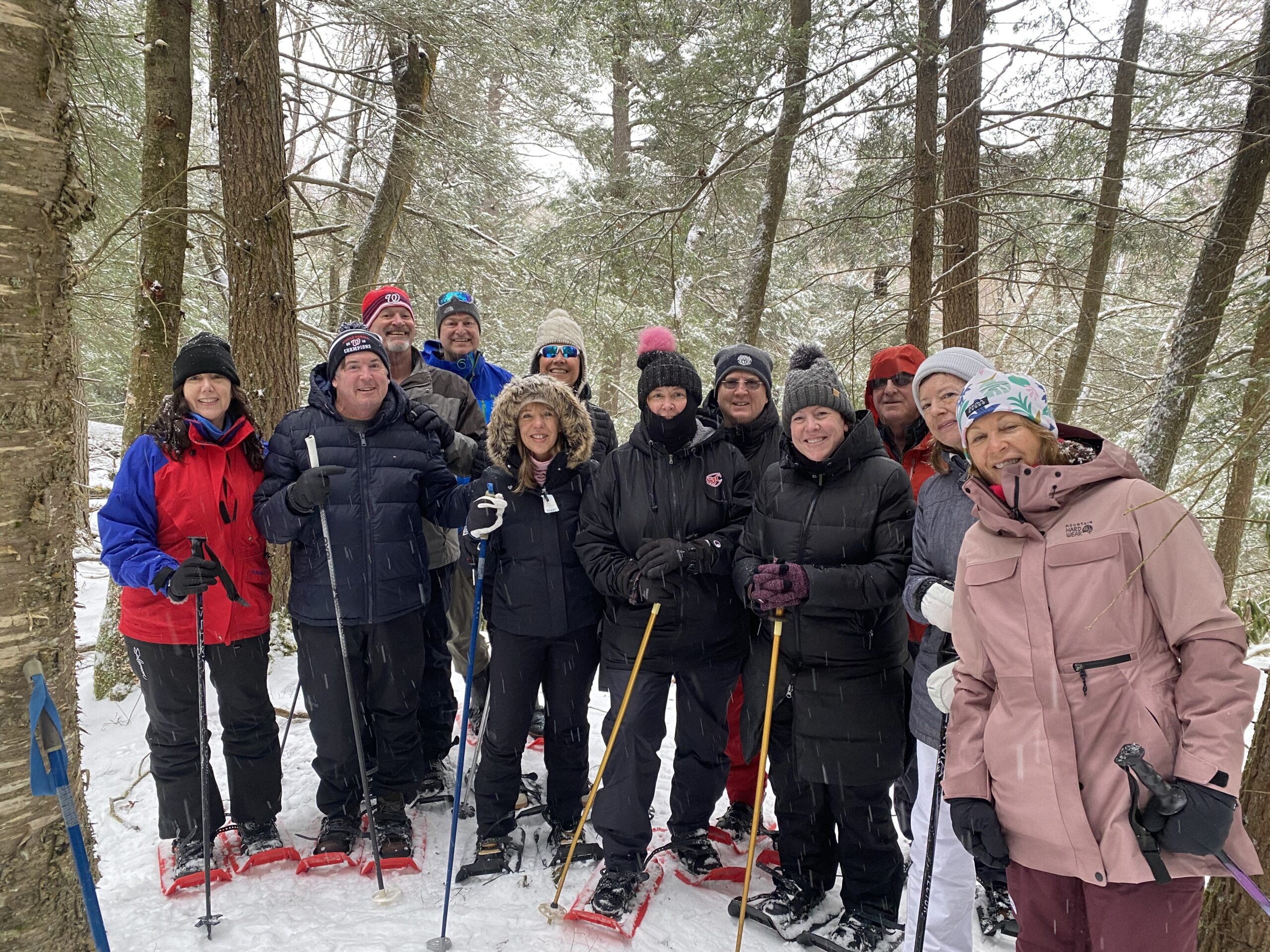
There’s something magical about winter in the great outdoors—the crisp air, pristine snow, and quiet beauty of nature at rest. But to truly enjoy your cold-weather adventures, you need to dress properly. The difference between a memorable winter hike and a miserable one often comes down to what you’re wearing.
At All Earth Eco Tours, we’ve spent countless hours guiding visitors through winter landscapes, and we’ve learned that proper layering is the key to staying comfortable, safe, and enjoying every moment of your outdoor experience.
The Three-Layer System: Your Foundation for Winter Comfort
Forget bulky, restrictive winter coats. The secret to staying warm and comfortable during winter activities is a strategic three-layer system that regulates your body temperature as you move.
Layer 1: The Base Layer (Moisture Management)
Your base layer sits directly against your skin and has one critical job: moving moisture away from your body. When you’re active in the cold, you’ll sweat, and wet skin loses heat rapidly— up to 25 times faster than dry skin.
What to wear: Choose synthetic fabrics like polyester or natural merino wool. These materials wick moisture effectively and dry quickly. Merino wool has the added benefit of naturally resisting odors, making it perfect for multi-day adventures.
What to avoid: Cotton is your enemy in winter. It absorbs moisture, stays wet, and will leave you cold and clammy. Remember the outdoor saying: “Cotton kills.”
Pro tip: Look for base layers that fit snugly without restricting movement. Crew necks work well, but zip-necks give you ventilation options when you’re working hard.
Layer 2: The Mid Layer (Insulation)
Your mid layer traps warm air close to your body, creating an insulating barrier against the cold. This layer should be easy to add or remove as your activity level changes.
What to wear: Fleece jackets, synthetic insulated jackets, or lightweight down jackets all work beautifully. For most winter hiking and snowshoeing, a medium-weight fleece provides excellent warmth without bulk.
Versatility matters: Choose a mid layer with a full-length zipper so you can easily vent heat when you’re moving uphill or working hard. You can also opt for a fleece vest to keep your core warm while allowing more arm mobility.
Pro tip: Bring an extra mid layer in your pack. It’s easy to underestimate how much you’ll cool down during rest breaks or lunch stops.
Layer 3: The Outer Layer (Weather Protection)
Your outer shell protects you from wind, snow, and precipitation. This is your barrier against the elements, and it should be both waterproof and breathable.
What to wear: A quality waterproof-breathable jacket made from materials like Gore-Tex or similar fabrics. Look for features like adjustable hoods, pit zips for ventilation, and pockets you can access while wearing a backpack.
Understanding breathability: A jacket that’s waterproof but not breathable will trap moisture inside, leaving you damp from your own perspiration. Invest in quality here—it makes a significant difference.
Pro tip: Your shell layer should be roomy enough to fit comfortably over your base and mid layers without restricting movement. Try it on with your other layers before heading out.
Don’t Forget Your Extremities
While the three-layer system works perfectly for your torso, your hands, feet, and head need special attention.
Hands
Cold hands can quickly end an otherwise perfect winter outing. Mittens are warmer than gloves because your fingers share heat, but gloves offer better dexterity. Consider bringing both— mittens for warmth during less technical sections and gloves for when you need finger mobility.
Look for waterproof outer shells with removable insulated liners. This allows you to adjust insulation levels and gives you a backup if one pair gets wet. Keep a spare pair of gloves in your pack.
Feet
Your feet face unique challenges in winter: they’re far from your core, they’re bearing weight, and they’re in contact with cold snow. Start with a good moisture-wicking sock—again, merino wool excels here. Avoid wearing multiple pairs of socks, which can restrict circulation and actually make your feet colder.
Invest in insulated, waterproof winter boots with good traction. They should fit comfortably with one pair of thick socks, allowing your toes to wiggle freely. Tight boots restrict blood flow and lead to cold feet.
Head and Neck
You can lose significant body heat through your head and neck, so don’t skimp on protection here. A warm hat that covers your ears is essential. Many people prefer a neck gaiter or buff over a traditional scarf because it stays in place better and can be pulled up over your nose and mouth when needed.
For particularly cold or windy days, consider a balaclava that provides full face and neck coverage. Sunglasses or ski goggles protect your eyes from wind, glare, and snow.
Adjusting Your Layers: The Art of Temperature Regulation
The beauty of the layering system is its adaptability. Here’s how to manage your layers throughout your winter adventure:
When starting out: You should feel slightly cool when you begin. If you’re perfectly warm standing at the trailhead, you’ll be overheated within minutes of starting your hike.
As you warm up: Remove your outer layer once you’re generating heat. If you’re still too warm, unzip your mid layer or remove it entirely. Your base layer and potentially just one additional layer may be all you need during active periods.
During breaks: Put layers back on immediately when you stop moving. Your body temperature drops quickly when you’re stationary, and it’s easier to stay warm than to warm up again.
At the summit or turnaround point: Add all your layers during rest stops. Bring an extra insulated jacket (like a puffy down jacket) specifically for these moments.
Additional Winter Essentials
Beyond the three-layer system, don’t forget these important items:
Waterproof pants or snow pants: Essential for snowshoeing or winter hiking in deep snow
Gaiters: Keep snow out of your boots and protect your lower legs
Extra layers: Always pack more warmth than you think you’ll need
Sunscreen and lip balm: Winter sun reflecting off snow can cause severe burns
Hand and toe warmers: Small, affordable insurance against unexpected cold
Dry bag: Protect spare clothes and layers from moisture
What to Wear on Our Winter Tours
When you join us for one of our guided winter hikes or snowshoeing tours, you’ll want to dress using the layering system described above. We recommend:
- Synthetic or merino wool base layers (top and bottom)
- A fleece or insulated mid layer
- A waterproof-breathable shell jacket
- Insulated, waterproof winter boots
- Warm hat, gloves or mittens, and neck protection
- Waterproof pants or snow pants for snowshoeing tours
Our experienced guides will help ensure everyone in the group is dressed appropriately and comfortable throughout the adventure. We’ll take regular breaks to adjust layers and make sure you’re enjoying your time in the winter wonderland.
The Bottom Line
Proper layering transforms winter outdoor activities from endurance tests into genuine pleasures. When you’re comfortable, you can focus on the stunning beauty around you—the way sunlight sparkles on fresh snow, the peaceful quiet of a winter forest, the satisfying crunch of snow underfoot.
Remember: there’s no such thing as bad weather, only inappropriate clothing. With the right layers and a spirit of adventure, winter offers some of the most rewarding outdoor experiences of the year.
Ready to experience the magic of winter? Explore our guided hikes and snowshoeing tours and let us show you the season’s beauty while you stay warm and comfortable every step of the way.
Have questions about what to wear for your upcoming winter tour? Contact our team—we’re always happy to help you prepare for your adventure.