


The holidays have a way of sweeping us up in their magic—twinkling lights, festive gatherings, and homes transformed into winter wonderlands. But somewhere between the plastic snowmen and disposable decorations, many of us have started asking: what if celebrating the season could be kinder to the planet we call home?
This year, consider embracing a different kind of holiday magic—one that’s rooted in nature, creativity, and the quiet satisfaction of making something beautiful with your own hands.
The Art of the Homemade Wreath
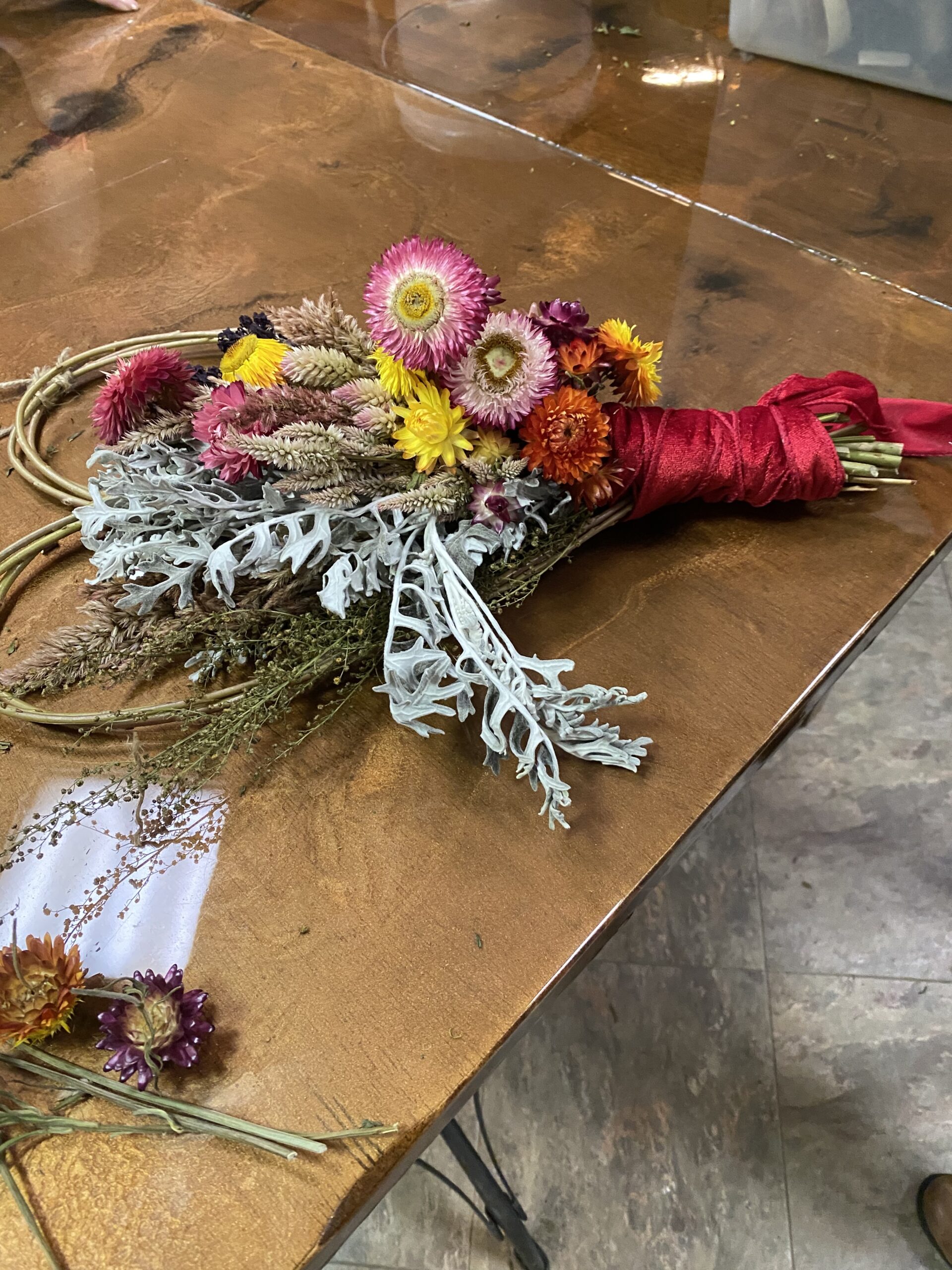
There’s something deeply satisfying about creating a wreath from scratch. Unlike their store-bought counterparts that arrive on foam bases wrapped in plastic, homemade wreaths tell a story. They carry the scent of fresh greenery and the marks of your own creativity.
If you’ve never made a wreath before, consider taking a class. Local florists, garden centers, and craft studios often offer wreath-making workshops during the holiday season. These classes are more than just instruction—they’re social gatherings where you sip hot cider, learn traditional techniques, and leave with a beautiful creation for your door. Many small businesses and local artists teach these workshops, sharing their expertise while building community connections.
It’s a chance to learn proper techniques for securing greenery, discover which materials work best together, and pick up tips you’d never figure out on your own.
Once you have the basics down, creating wreaths at home becomes a cherished ritual. Start with a simple wire frame or bend willow branches into a circle—both work beautifully. Then venture outside. Evergreen branches from your yard (with permission, of course) form the perfect base. Weave in sprigs of pine, cedar, or fir, securing them with natural twine or thin wire. The process itself becomes meditative, each branch finding its place in the circle.
But here’s where your wreath becomes uniquely yours. Tuck in dried orange slices, cinnamon sticks tied with twine, or pinecones gathered from a weekend walk. Add sprigs of holly with their bright red berries, or clusters of rosehips that glow like tiny lanterns. Eucalyptus brings a silvery elegance, while dried hydrangeas add unexpected softness.
The beauty of a natural wreath is that it changes. As it dries, new textures emerge. When the season ends, it can go straight into your compost bin, returning to the earth without a trace of waste.
Foraging: A Holiday Adventure
Foraging for decorations transforms holiday preparation into an adventure. It invites you to slow down, to notice the abundance that exists right outside your door even in winter’s grip.
Before you set out, remember the forager’s golden rule: take only what you need, and never from protected areas or private property without permission. Many parks and forests allow the collection of fallen materials—pinecones, interesting branches, seedpods that have already dropped.
Winter woodlands offer unexpected treasures. Birch bark that has naturally peeled away can wrap around candles or line baskets. Dried grasses and seed heads create ethereal arrangements. Bare branches with interesting shapes become sculptural centerpieces when arranged in a tall vase.
Even urban environments provide foraging opportunities. City parks often have an abundance of pinecones. Fallen magnolia leaves can be preserved with glycerin for glossy, dramatic garlands. The key is to look with new eyes at what’s already around you.
Foraging with children turns it into a holiday tradition they’ll remember for years. Give them baskets and let them discover nature’s ornaments—the perfectly shaped pinecone, the branch that looks like a reindeer antler, the crimson leaves still clinging to an oak tree.
The Joy of Simplicity
Perhaps the most radical act in our culture of excess is choosing simplicity. Not as deprivation, but as intentional celebration of what truly matters.
Consider decorating with what you already have. Those mismatched vintage ornaments from your grandmother? They tell better stories than any coordinated set from a big-box store. Mason jars filled with cranberries and floating candles create elegant centerpieces. A bowl of seasonal fruit—pomegranates, pears, and oranges—becomes a living still life.
String popcorn and cranberries for garlands, an old-fashioned activity that brings families together around the kitchen table. Arrange pinecones on your mantel. Fill a wooden bowl with walnuts still in their shells. Light candles. Sometimes the simplest gestures create the warmest glow.
This approach extends to gift wrapping too. Brown paper packages tied up with twine and adorned with a sprig of evergreen or a cinnamon stick feel infinitely more special than shiny paper that will be torn off and discarded in seconds. Pages from old books, sheet music, or maps make beautiful, conversation-starting wrapping paper.
Shopping Local: Investing in Your Community
When you do purchase decorations, consider where your money goes. Shopping local transforms a simple transaction into an investment in your community’s creative economy.
Local artisans and small businesses offer something the big chains can’t—pieces made with care, often using sustainable materials and practices. That hand-thrown ceramic ornament from the potter down the street will grace your tree for decades. The woodworker at your farmers market creates decorations from reclaimed lumber that would otherwise end up in a landfill.
The fiber artist spinning wool from local sheep makes tree skirts that become family heirlooms.
Visit craft fairs and holiday markets where makers sell directly. You’ll find one-of-a-kind pieces infused with genuine craftsmanship: hand-dipped beeswax candles that smell like honey, wreaths woven by florists who source locally, textile ornaments sewn by hand. Each purchase supports someone’s livelihood and keeps traditional skills alive.
Local artists also create pieces that reflect your region’s character. A California maker might incorporate eucalyptus and succulents, while a Vermont artisan works with birch bark and maple. These decorations don’t just beautify your home—they root you in place, celebrating where you live.
Small businesses often have smaller carbon footprints too. Your purchase doesn’t travel across oceans in shipping containers or sit in massive warehouses. The money you spend circulates in your community, supporting other local businesses in turn. And when you need advice or have a question, you can talk to the person who actually made what you’re buying.

Creating New Traditions
Sustainable decorating isn’t about perfection—it’s about being thoughtful. Maybe this year, you buy one beautiful wooden ornament from a local craftsperson instead of a box of plastic ones. Maybe you make your wreath from yard clippings instead of buying a new one. Maybe you light more candles and hang fewer strings of lights.
Each small choice ripples outward. It supports local artisans instead of overseas factories. It reduces waste heading to landfills. It teaches children that beauty doesn’t require consumption. It connects us to the natural world and to the traditions of generations who celebrated with what the season provided.
The holidays are meant to be about joy, connection, and gratitude. What better way to honor that spirit than by decorating in ways that honor the earth that sustains us all year long?
This season, let your decorations tell a story—of walks through winter woods, of afternoons spent creating with your hands, of choosing quality over quantity and meaning over excess. In embracing these simpler, more sustainable traditions, you might just find that the truest holiday magic was there all along, waiting in the quiet beauty of a homemade wreath, the adventure of foraging, and the peaceful satisfaction of enough.