


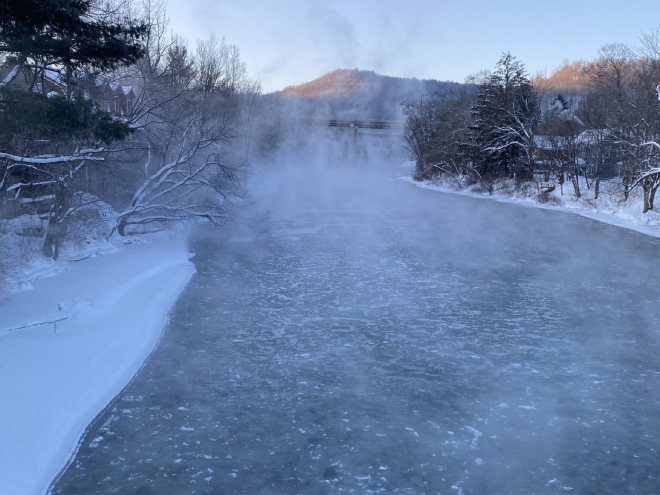
Winter transforms Maryland’s rivers and waterfalls into stunning frozen landscapes, but these beautiful destinations hide serious dangers. Cold water immersion can be fatal within minutes, and popular spots like the Upper Youghiogheny River, Savage River, Deep Creek Lake, Swallow Falls, and Muddy Creek Falls demand respect and preparation during the coldest months.
Understanding Cold Water Dangers
Cold water doesn’t just mean chilly temperatures—it’s a life-threatening hazard. Water temperatures below 60°F can trigger cold shock response, causing involuntary gasping, hyperventilation, and rapid loss of motor control. In Maryland’s winter waters, which can drop into the 30s, you have mere minutes before hypothermia sets in.
The four stages of cold water immersion happen faster than most people realize: initial cold shock (0-3 minutes), short-term swim failure (3-30 minutes), hypothermia (30+ minutes), and post-rescue collapse. Understanding this timeline is crucial for anyone venturing near winter waterways.
The Upper Youghiogheny: Maryland’s Wild and Scenic Gem
The Upper Youghiogheny River—Maryland’s only federally designated wild and scenic river—is the premier destination for whitewater kayaking and rafting in the eastern United States. This legendary whitewater run ends in Friendsville, where paddlers exit after navigating some of the most challenging and beautiful rapids on the East Coast.
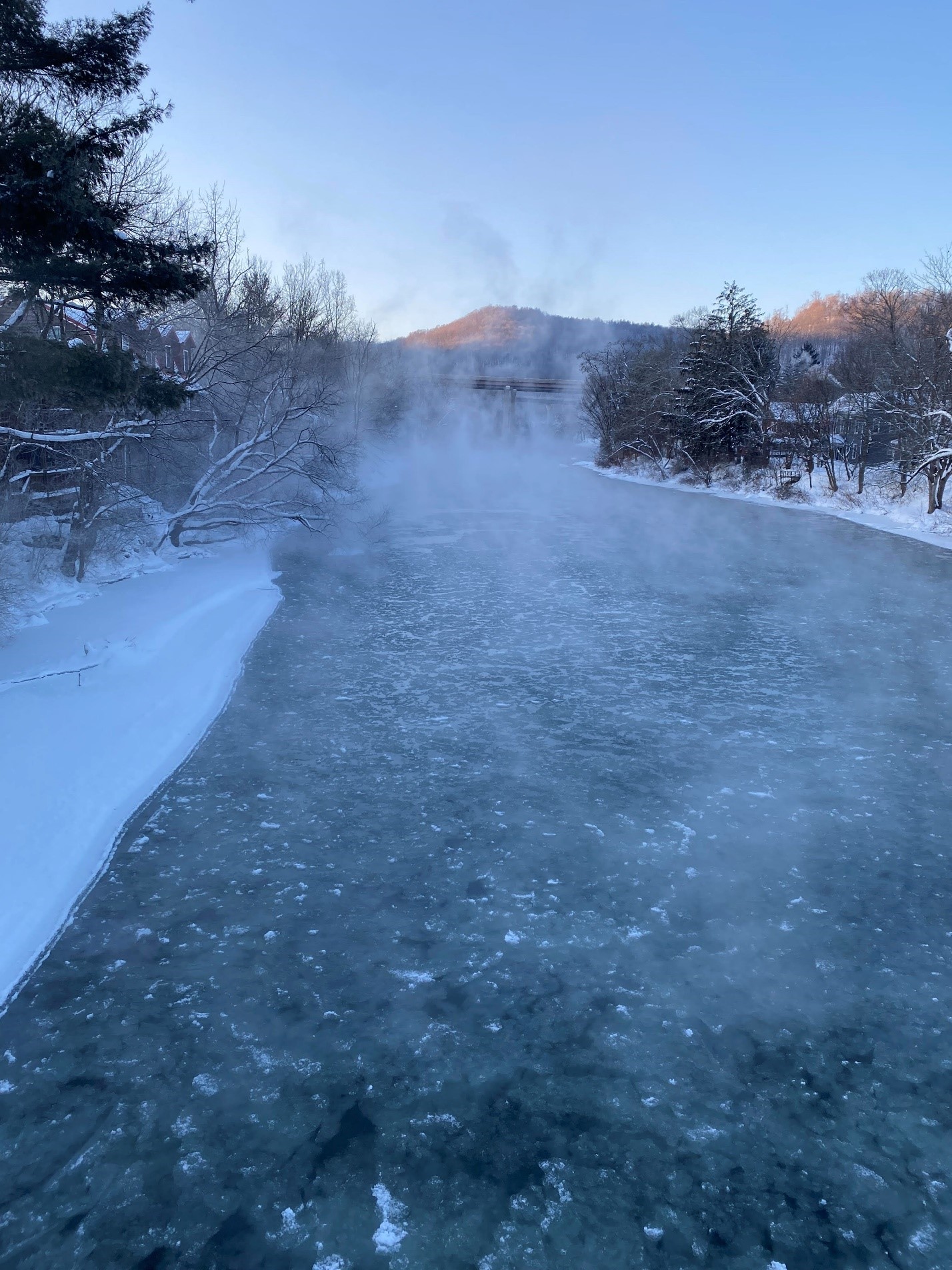
The Upper Yough features Class IV-V rapids with names like “Meat Cleaver” and “Lost and Found” that demand expert skills even in warm weather. In winter, when water temperatures plunge and the remote canyon makes rescue nearly impossible, a swim can quickly become fatal. The river’s fast-moving water rarely freezes, creating deceptively dangerous conditions where frigid temperatures meet powerful hydraulics.
Hikers exploring the trails along sections of the wild and scenic river corridor must be equally cautious. Water from the river freezes parts of the trail, creating treacherous ice patches that can send you sliding toward the frigid water below. Spray from rapids coats rocks and trail surfaces with ice, turning what might be a moderate hike in summer into an extremely hazardous winter expedition. One misstep on these icy sections can mean tumbling toward the river. The beauty of the snow-covered canyon is matched only by its unforgiving nature, and the wild and scenic corridor’s remoteness means help is far away if something goes wrong.
The Savage River: Olympic Legacy, Year-Round Danger
The Savage River holds a special place in American paddling history—it hosted the Olympic trials for whitewater kayaking and canoeing, cementing its reputation as a world-class whitewater venue. Today, while the river only sees a few scheduled dam releases per season, it remains a beloved destination for fishing and a serious winter hazard.
The river’s relatively low flows between releases can create a false sense of security, but the water is still dangerously cold, the rocks are slippery with ice, and the remote location through Savage River State Forest means limited cell service and distant medical help.
The surrounding state forest offers winter hiking, but trails near the river require vigilance. Ice formations along the banks are beautiful but unstable, and the sound of rushing water can mask the cracking of thin ice underfoot.
Deep Creek Lake: When Recreation Turns Deadly
Deep Creek Lake, Maryland’s largest freshwater lake, transforms into a winter recreation hub when temperatures drop. Ice fishing and snowmobiling draw crowds seeking the thrill of frozen-lake adventures, but the ice here is notoriously unpredictable and has claimed lives.
The Ice Thickness Gamble: Safe ice fishing and snowmobiling require at least 4-5 inches of clear, solid ice for foot traffic and 5-7 inches for snowmobiles or ATVs. But Deep Creek Lake’s size (3,900 acres) and varying depths mean ice thickness is never uniform. Areas near inlets, outlets, and the dam freeze last and thaw first. Springs and underwater currents create thin spotsthat are invisible from the surface.
What makes Deep Creek particularly dangerous is its popularity. Social pressure and seeing others on the ice can override good judgment. Just because someone else is out there doesn’t mean the ice is safe—it means they’re gambling with their life, and you would be too.
Snowmobiling Risks: Snowmobilers face unique dangers on Deep Creek Lake. Speed and weight concentrate pressure on ice, and the vibration from machines can fracture already-weak areas. Riders who break through often go under quickly, and cold water immersion while wearing heavy winter gear and being attached to a sinking machine is a nightmare scenario. Several fatalities have occurred when snowmobilers hit thin ice at high speed.
Ice Fishing Hazards: Ice fishing seems peaceful, but anglers spend hours sitting relatively still on ice of varying quality, often drilling holes that further weaken the surface. Hypothermia can set in gradually while you’re focused on fishing, and the weight of equipment, shelters, and people concentrated in one area can exceed ice load limits.
Never Trust the Ice: Local authorities emphasize that no ice is ever 100% safe. The lake’s water level fluctuates, weakening ice from below. Warmer winter temperatures create cycles of melting and refreezing that produce deceptively thick but structurally weak ice. Even in the coldest winters, areas of Deep Creek Lake may remain unsafe.
If you venture onto Deep Creek Lake’s ice, check ice thickness every few steps with an ice chisel or auger, wear a life jacket under your coat, carry ice picks or ice claws, go with others, and tell someone on shore your plans. Better yet, wait for official safety reports from local authorities before venturing out—and if there’s any doubt, stay off the ice entirely
Swallow Falls State Park: Popular Beauty, Hidden Dangers
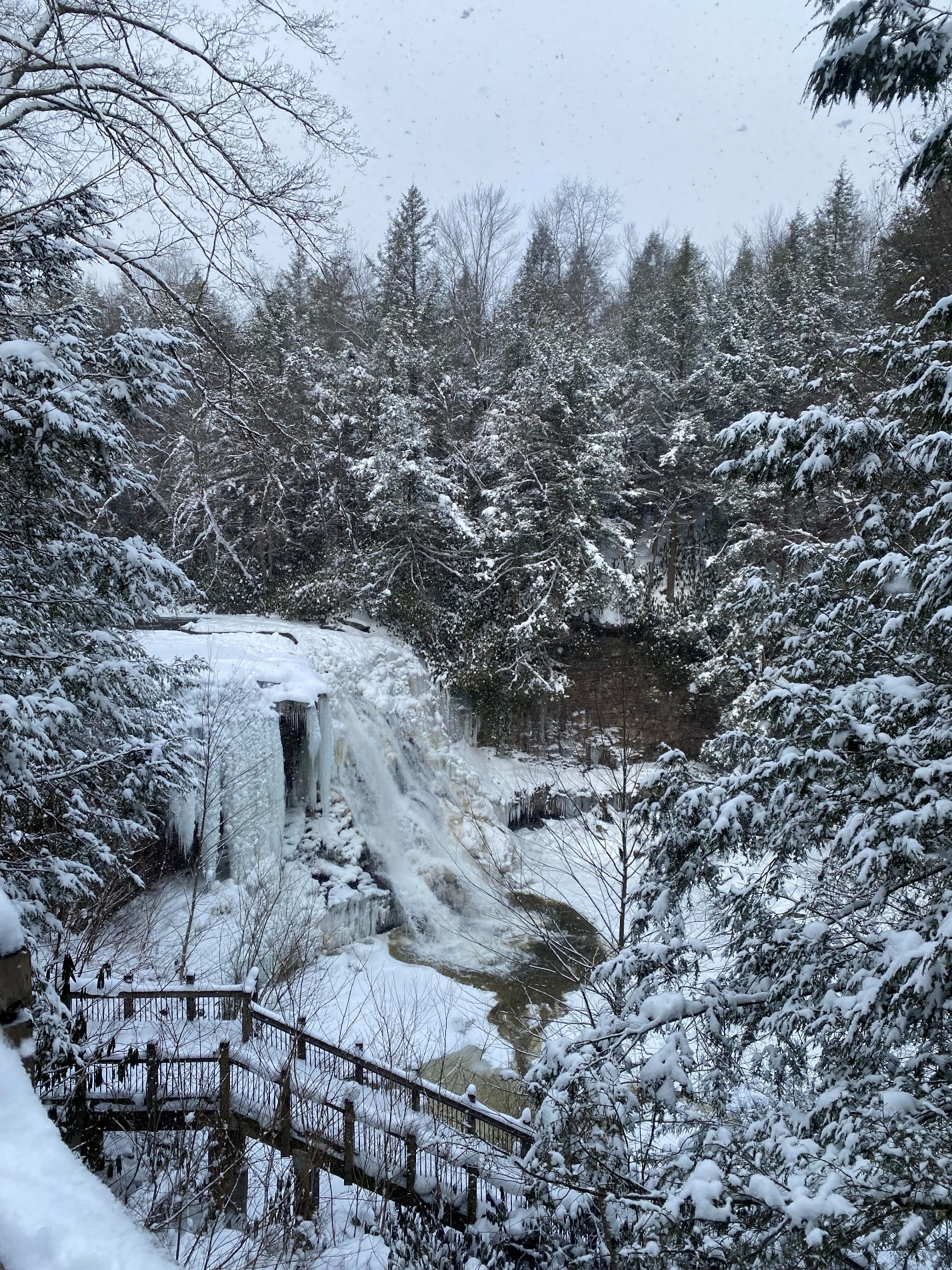
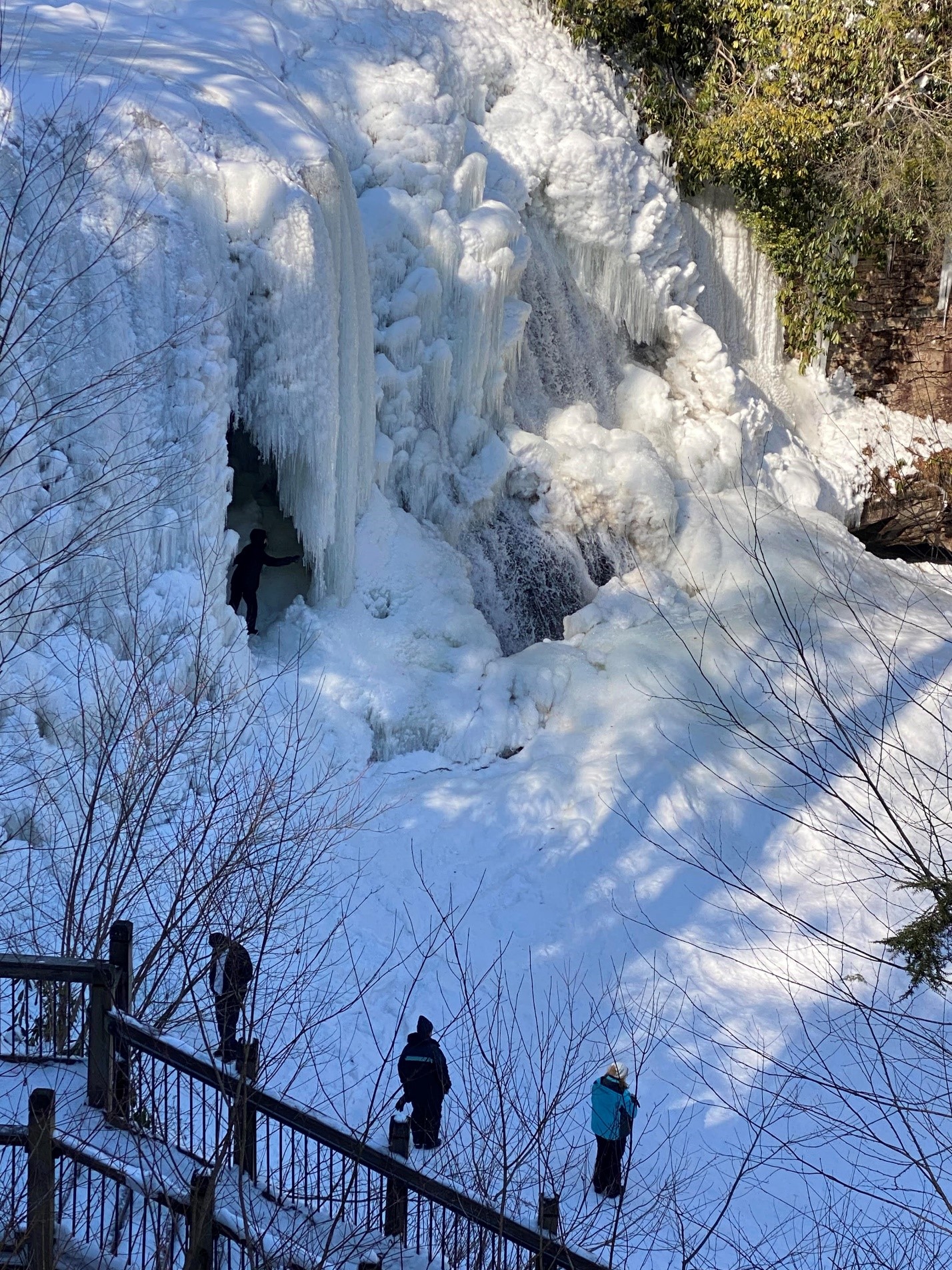
Swallow Falls State Park is one of Maryland’s most popular state parks, home to both the dramatic 53-foot Swallow Falls and Muddy Creek Falls—Maryland’s tallest waterfall at 53 feet. In winter, these waterfalls create spectacular ice formations that draw photographers and nature lovers, but the beauty masks serious hazards.
At Swallow Falls, visitors often venture too close to capture the perfect photo, not realizing that one slip means instant immersion in near-freezing water. The Youghiogheny River below flows fast and cold. The rocks surrounding the falls become treacherously slippery with ice, and rescue from the gorge is extremely difficult. Park rangers report numerous close calls each winter.
The observation platforms and trails receive constant spray from the falls, creating layers of ice that make walking hazardous. What seems like a stable surface can be a sheet of black ice. Bringing ice cleats or traction devices for your boots isn’t just recommended—it’s essential for safe winter visits to the park.
Muddy Creek Falls: Maryland’s Tallest Waterfall
Muddy Creek Falls, also located within Swallow Falls State Park, is Maryland’s tallest waterfall at 53 feet. This waterfall is more accessible than Swallow Falls, which unfortunately means more people expose themselves to risk. The observation platforms get icy, and the spray from the falls creates a constant freezing mist that coats everything.
The creek below moves swiftly, and the cold water is relentless. What might be a survivable fall in summer becomes potentially fatal when water temperatures hover around freezing. The combination of slippery conditions and dangerous water makes this scenic spot a winter hazard.
During heavy snowmelt or rain, Muddy Creek’s flow increases dramatically, sending more spray into the air and creating even icier conditions on viewing areas. The roar of the falls can drown out warnings from other visitors, making it crucial to stay alert and maintain your own safety awareness.
Essential Cold Weather Gear and Preparation
If you’re planning to visit these waterways in winter, proper preparation isn’t optional—it’s life-saving. Here’s what you need:
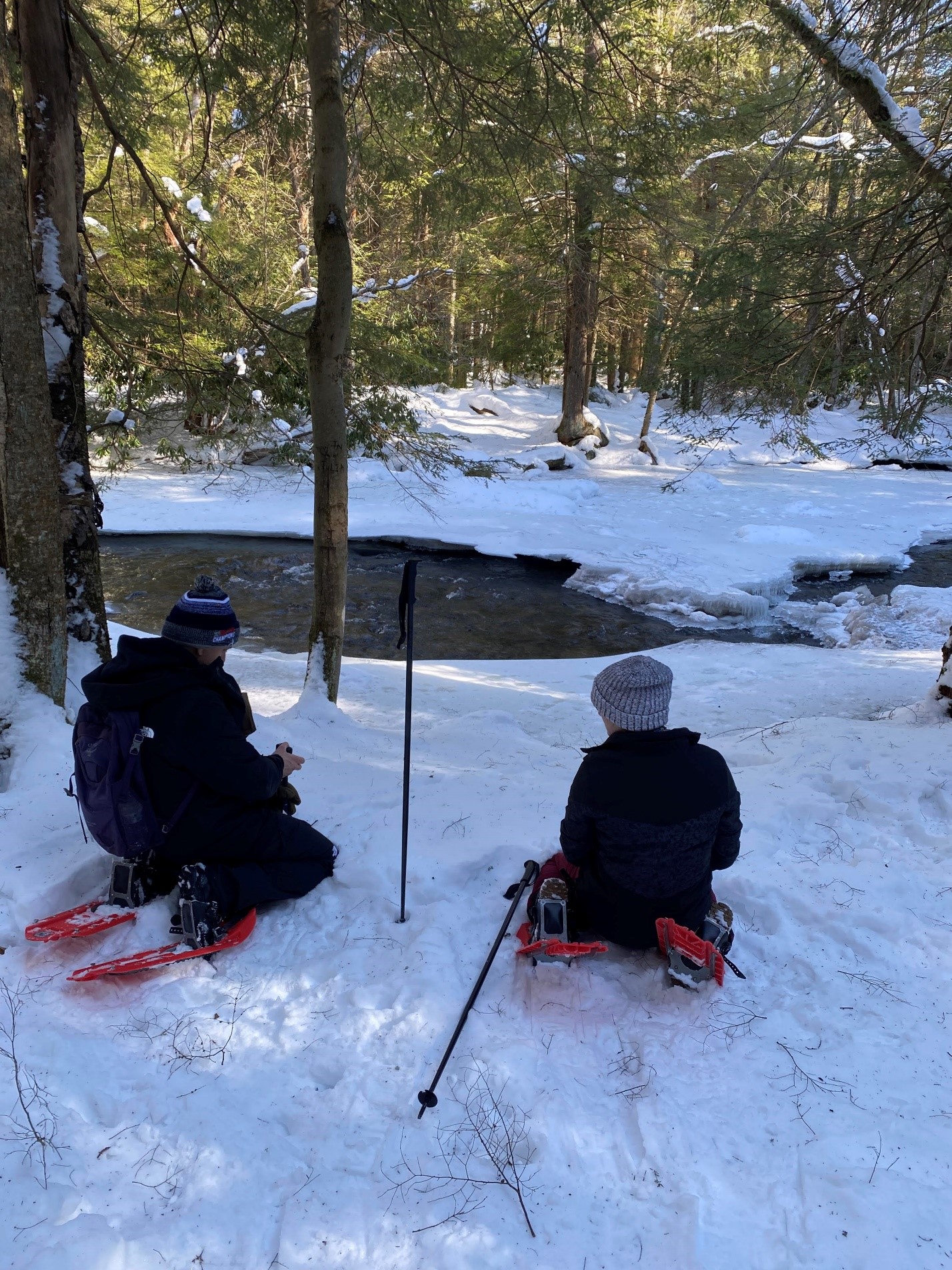
Clothing Layers: Start with a moisture-wicking base layer (avoid cotton—it loses all insulating value when wet), add an insulating mid-layer like fleece or down, and finish with a waterproof, windproof outer shell. Your extremities need special attention: insulated, waterproof boots with good traction, warm gloves (bring extras), and a hat that covers your ears.
For Ice Activities: If you’re ice fishing or walking on frozen lakes, layer clothing so you can shed heavy coats if you fall through—waterlogged winter gear can drag you under. Always wear a life jacket under your outer layers, and carry ice picks or ice claws on a cord around your neck.
Safety Equipment: Pack emergency supplies including a whistle, waterproof matches or lighter, space blanket, headlamp with extra batteries, and a fully charged cell phone in a waterproof case. If you’re planning water activities, a properly fitted life jacket and wetsuit or drysuit are mandatory, not suggested. For winter paddling, a drysuit is essential—wetsuits alone aren’t enough protection in near-freezing water.
Traction Devices: Invest in quality ice cleats, crampons, or traction spikes that slip over your boots. These can mean the difference between a safe hike and a dangerous fall near waterfalls and icy riverbanks. This is especially critical along the Upper Yough trail where ice-covered sections can be unavoidable, and at Swallow Falls State Park where spray from both waterfalls creates icy conditions.
Communication Plan: Tell someone your exact plans, including where you’re going and when you expect to return. Establish check-in times. Remember that cell service is unreliable in many of these areas, particularly along the Upper Yough’s wild and scenic corridor and in Savage River State Forest.
Knowledge and Skills: Take a cold water safety course or wilderness first aid training. If you paddle, practice self-rescue and assisted rescue in controlled conditions before attempting winter runs. Learn to recognize the signs of hypothermia in yourself and others: shivering, confusion, slurred speech, and loss of coordination.
Making Winter Water Adventures Safe and Fun
With proper preparation, winter visits to Maryland’s waterways can be incredibly rewarding. The solitude, the stunning ice formations, and the raw power of nature in winter create unforgettable experiences that summer visitors never witness.
Start Small: If you’re new to winter outdoor activities, begin with short visits to easily accessible areas like the overlooks at Swallow Falls State Park. Build your skills and confidence gradually before attempting more challenging adventures like winter fishing in remote stretches of the Savage River or paddling the Upper Yough.
Go with Others: Never venture near cold water alone. Travel in groups of at least three people, so if someone gets in trouble, one person can stay with them while another seeks help. This is especially critical on Deep Creek Lake’s ice—a companion can throw you a rope or call for help if you break through.
Watch the Weather: Check forecasts carefully and be willing to cancel plans if conditions deteriorate. Pay attention to wind chill, which can dramatically increase cold exposure risk. For ice activities, check recent temperature trends—a few warm days can make previously safe ice dangerously weak.
Respect Local Knowledge: Talk to park rangers, local outfitters, and fishing shops before heading out. They know current conditions and can warn you about specific hazards. For Deep Creek Lake, check with local authorities about ice conditions before venturing out.
Stay Back from Edges: Ice formations near waterfalls and riverbanks are beautiful but unstable. Maintain a safe distance from edges, and never step on ice near moving water. The spray zone around Swallow Falls and Muddy Creek Falls extends farther than you think.
Warm Up Regularly: Take frequent breaks in a warm vehicle or shelter. Bring hot drinks in an insulated thermos and high-energy snacks. Recognize when it’s time to head home—there’s no shame in cutting a trip short if you’re getting cold.
For Paddlers: Winter paddling on the Upper Yough requires expert skills and specialized equipment. Scout rapids from shore when possible, have a solid roll, practice self-rescue, and ensure your group has throw bags and knows how to use them. Consider whether the run is worth the risk—even a minor swim in winter can quickly become life-threatening.
If Something Goes Wrong
Despite precautions, accidents happen. If someone falls into cold water, time is critical. Call 911 immediately. If you can help without entering the water yourself, reach or throw—never go in after them unless you have proper training and equipment. Cold shock can incapacitate victims within seconds, making rescue extremely difficult.
If You Break Through Ice: The first 30 seconds are crucial. Don’t try to climb out immediately—your initial instinct will be to panic and thrash, but force yourself to breathe deeply and stay calm. Turn toward the direction you came from (that ice supported your weight). Kick your legs to get horizontal, then use ice picks or claws to pull yourself onto the ice. Once on the surface, don’t stand—roll or crawl away from the hole to distribute your weight.
If You Fall in a River: Follow the 1-10-1 principle: survive the first minute of cold shock, maintain function for the next 10 minutes to get yourself out or to safety, and remember you have about 1 hour before hypothermia renders you unconscious. In moving water, get your feet downstream and in front of you to avoid foot entrapment. Look for calm water or eddies where you can grab something or swim to shore.
Post-Rescue Care: Getting out of the water is just the first step. Remove wet clothing immediately, dry off, and get into warm, dry layers. Gradual rewarming is safer than rapid heating. Seek medical attention even if you feel okay—secondary drowning and delayed hypothermia symptoms can be fatal.
The Reward of Preparedness
Maryland’s winter waterways offer some of the state’s most spectacular scenery. The Upper Yough’s wild and scenic corridor blanketed in snow, the Savage River valley’s pristine silence, Deep Creek Lake’s vast frozen expanse, and the ice sculptures at Swallow Falls State Park—including both Swallow Falls and Muddy Creek Falls, Maryland’s tallest waterfall—are genuinely awe-inspiring.
These experiences are worth pursuing—but only with proper respect for the dangers and adequate preparation. The difference between a magical winter adventure and a tragedy often comes down to the quality of your gear, the soundness of your judgment, and your willingness to turn back when conditions warrant.
Winter paddling on the Upper Yough tests even expert kayakers but offers unmatched solitude and challenge. Winter fishing can be productive and peaceful when done safely. Ice activities on Deep Creek Lake can be fun when the ice is genuinely safe and you’re properly equipped. Viewing the frozen waterfalls at Swallow Falls State Park creates memories that last forever.
Winter water activities require more planning, better equipment, and greater caution than summer excursions, but they also offer rewards that fair-weather visitors never experience: pristine silence, dramatic ice formations, world-class fishing, and the satisfaction of safely exploring some of nature’s most powerful forces.
So gear up properly, plan carefully, go with friends, check local conditions, and discover why winter transforms Maryland’s waterways into unforgettable destinations. Just remember: the cold water doesn’t care how experienced you are, how beautiful the view is, or how badly you want that perfect photo or trophy fish. Respect it, prepare for it, know when to stay home, and you’ll create winter memories that last a lifetime.