


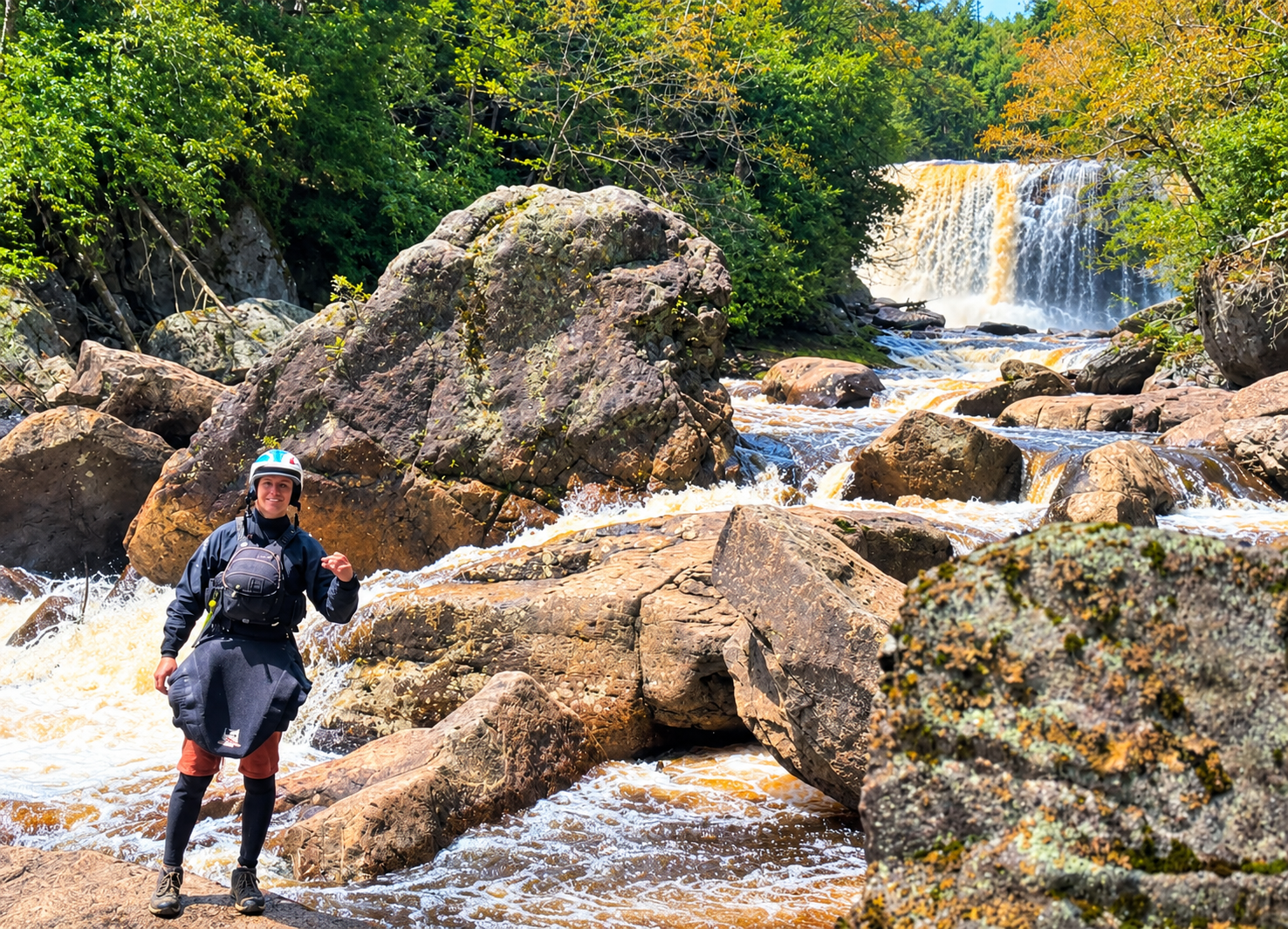
A cool fall morning can make a Maryland trail feel almost magical. Leaves turn bright, the air becomes crisp, and familiar woods suddenly look completely different.
But autumn hiking also asks for a little more preparation.
Wet leaves can hide roots and rocks. Weather can shift quickly. Daylight fades earlier. A trail that feels easy in summer may require more attention when the ground is slick and visibility changes.
This Guide to Fall Hiking Safety in Maryland helps beginners prepare for those conditions. The goal is simple: enjoy the mountains, make smart choices, and know when safety matters more than reaching the next viewpoint.
The National Park Service’s Appalachian Trail information describes the Appalachian Trail as a 2,190+ mile public footpath crossing the Appalachian Mountains, including Maryland.
Key Takeaways
- Choose a trail that matches hiking experience, fitness, and available daylight.
- Check weather and trail conditions before leaving.
- Wear layers and footwear with dependable traction.
- Carry water, food, navigation tools, and basic emergency supplies.
- Slow down when leaves, mud, rocks, or roots make footing uncertain.
- Turn around when conditions become unsafe.
Why Fall Hiking Requires Extra Attention
Fall is often considered an ideal hiking season. Temperatures can feel more comfortable than summer, while changing foliage creates beautiful scenery.
The mistake is assuming beautiful weather means easy conditions.
A sunny trailhead does not guarantee a dry trail. Rain earlier in the day can leave rocks and roots slippery. Fallen leaves can cover obstacles that would normally be easy to spot.
There is also less daylight as the season progresses. A hike that takes longer than expected can become uncomfortable when the temperature drops and visibility decreases.
That is why fall hiking safety in Maryland starts before the first step.
Good preparation does not make a hike less adventurous. It gives hikers more freedom to enjoy the experience without constantly worrying about preventable problems.
Start With the Right Trail
Beginners do not need to tackle the longest or steepest route.
Maryland’s Appalachian landscape offers different types of terrain. Some sections provide a manageable introduction, while others include steeper climbs, rocky areas, or longer distances.
Before choosing a route, hikers should consider:
- Distance
- Elevation changes
- Terrain
- Estimated hiking time
- Weather conditions
- Available daylight
- Experience level
- Fitness level
A useful rule is to plan around the least experienced person in the group.
For families, that might mean choosing a shorter route with plenty of time for breaks. For someone new to mountain hiking, a modest trail can be a better learning experience than an ambitious one.
The Maryland section of the Appalachian Trail can also be approached as a section-hiking experience rather than an all-or-nothing adventure. That mindset removes unnecessary pressure and lets beginners build confidence gradually.
What to Wear for Fall Hiking
The right clothing should help hikers adjust rather than simply keep them warm.
Fall temperatures can vary throughout a hike. A person may feel comfortable while climbing but become cold during a rest stop.
A simple layering system works well:
- Base layer: Helps manage moisture next to the skin.
- Middle layer: Provides warmth when temperatures fall.
- Outer layer: Helps protect against wind or rain.
Hikers should also choose sturdy footwear with good traction.
Comfortable shoes are important, but grip matters too. Wet leaves, exposed roots, rocks, and muddy sections can make a trail more challenging.
A lightweight rain layer is also useful. Even when rain is not expected, changing mountain weather can make extra protection worthwhile.
Build a Simple Hiking Preparation Checklist
A beginner does not need an enormous backpack.
The goal is to carry practical items that support safety without creating unnecessary weight.
A basic fall hiking checklist can include:
- Plenty of water
- Easy-to-carry snacks
- Weather-appropriate layers
- Rain protection
- Sturdy footwear
- Phone with an offline map
- Physical map when appropriate
- Small first-aid kit
- Flashlight or headlamp
- Emergency blanket
- Whistle
- Extra battery or power bank
Food matters too. A hike uses energy, especially when climbing.
Instead of waiting until hunger becomes uncomfortable, hikers can take small breaks for water and snacks along the way.
The same principle applies to pacing. Hiking should not become a race against the trail.
The “PACE” Framework for Safer Fall Hiking
A simple framework can help beginners remember what matters.
P: Prepare
Check the weather, route, trail conditions, parking information, and daylight.
A: Assess
Consider whether the trail matches the group’s experience, fitness, and equipment.
C: Check
During the hike, regularly check footing, weather, energy levels, and remaining daylight.
E: Exit Early
If conditions become unsafe, turn around before the situation becomes an emergency.
This approach is especially useful because it turns safety into an ongoing habit.
A hiker does not make one safety decision at the trailhead. Conditions can change throughout the day.
Fall Hiking Safety: Common Situations to Watch
| Practice | When it helps | Simple cue | Common mistake |
| Check weather | Before departure | Look at the forecast | Assuming morning conditions will last |
| Wear layers | Changing temperatures | Add or remove as needed | Wearing one heavy layer |
| Use traction | Wet or rocky terrain | Slow down and watch footing | Rushing over slippery leaves |
| Carry navigation | Unfamiliar trails | Know the route before walking | Depending only on cell service |
| Carry a light | Late finishes | Pack one even for shorter hikes | Assuming daylight will last |
| Tell someone the plan | Solo or remote hikes | Share route and timing | Leaving without telling anyone |
| Pace the group | Mixed abilities | Let the slowest hiker set the pace | Separating the group |
Navigation Matters More Than Many Beginners Expect
A phone can be helpful, but it should not be the only navigation plan.
Mountain terrain and forest cover can affect connectivity. Batteries can also run low.
Before leaving, hikers should understand the basic route and know where they are starting and finishing.
Offline maps can provide useful backup. A physical map can also help when technology fails.
Trail markings should be watched carefully. Instead of walking while constantly looking at a screen, hikers should periodically stop and confirm their location.
The best navigation habit is simple: know where you are before you need to know where you are.
Be Ready for Wildlife Encounters
Seeing wildlife can be one of the memorable parts of a Maryland mountain hike.
It should never become an excuse to approach animals.
Hikers should observe wildlife from a safe distance and avoid feeding or attempting to interact with it. Food and scented items should also be managed responsibly.
If a group encounters wildlife, the safest approach is usually to remain calm, give the animal space, and follow applicable park or trail guidance.
Responsible hiking means remembering that the forest is a habitat first and a recreation area second.
Do This, Not That
Do this: Slow down on wet leaves.
Not that: Assume leaves provide the same footing as dry ground.
Do this: Carry a light.
Not that: Depend on arriving before sunset.
Do this: Choose a manageable distance.
Not that: Choose a trail simply because it looks impressive online.
Do this: Tell someone where the group is going.
Not that: Assume a short hike cannot take longer than expected.
Do this: Turn around when conditions deteriorate.
Not that: Continue because the destination is “almost there.”
A Realistic Beginner Scenario
Imagine two friends arriving at a trail on a cool autumn morning.
The forecast looks favorable, so they expect an easy few hours outdoors. They bring water, snacks, layers, and a phone with an offline map.
A few miles into the hike, they notice that recent rain has left sections of the trail muddy. Fallen leaves also cover several rocks.
Instead of keeping their original pace, they slow down.
Later, one hiker becomes tired and the afternoon temperature begins to fall. They still have plenty of daylight, but the group decides to shorten the route.
Nothing dramatic happened.
That is the point.
Good hiking safety often looks uneventful. The best decision may be the one that prevents a difficult situation from ever developing.
A Common Misconception About Hiking Safety
Some beginners believe that carrying more equipment automatically makes a hike safer.
Not necessarily.
Equipment is useful only when hikers understand how and when to use it.
A large backpack cannot replace good judgment. Expensive footwear cannot replace careful footing. A navigation app cannot replace knowing the basic route.
Preparation works best when equipment, knowledge, weather awareness, and realistic planning work together.
This is also why guided experiences can be valuable for people who are still learning outdoor skills. A knowledgeable guide can help beginners understand pacing, terrain, observation, and responsible trail practices.
Those interested in a guided hike near Deep Creek Lake can consider a locally guided experience suited to their abilities and goals.
Responsible Hiking Protects the Experience
Safety is not only about protecting people.
It also means protecting the places they came to enjoy.
Hikers should stay on established trails when required, pack out their waste, avoid damaging plants, and respect wildlife and other visitors.
Leave No Trace hiking principles provide a useful foundation for responsible outdoor recreation.
A simple habit is to leave the trail looking as though the group was never there.
That helps preserve the quiet, beauty, and character that make Maryland’s Appalachian landscapes worth exploring.
When a Guided Hike Makes Sense
Beginners may benefit from guidance when they are unfamiliar with mountain terrain, uncertain about preparation, or simply want to learn while exploring.
A guided experience can also reduce some of the planning burden.
For visitors exploring Garrett County, guided hiking can provide an opportunity to experience nature while learning about the surrounding landscape.
The same principle applies across seasons. Someone who enjoys fall hiking may later discover winter activities such as Snowshoe Tours in Garrett County, MD, once they are comfortable with outdoor preparation.
For those seeking a safe, educational, and nature-centered experience, All Earth Eco Tours, LLC offers guided hiking experiences in the region. Visitors can learn more through the company’s website or contact 301-746-4083 or carol@allearthtours.com.
Conclusion
A safe autumn hike does not require advanced skills or complicated equipment.
It starts with choosing a realistic trail, checking conditions, dressing appropriately, carrying essential supplies, and paying attention throughout the hike.
The most important lesson in this guide to fall hiking safety in Maryland is that hikers should respect changing conditions. A beautiful destination is never more important than getting everyone home safely.
Fall hiking can be a wonderful way to slow down, enjoy changing foliage, and reconnect with the outdoors. With preparation and good judgment, beginners can explore Maryland’s Appalachian Mountains with greater confidence and peace of mind.
Summary
Fall hiking rewards preparation. Beginners should choose suitable trails, check weather conditions, wear proper layers, carry essential supplies, and stay aware of changing terrain. Good navigation, wildlife awareness, responsible recreation, and flexible plans can make an outdoor adventure safer. When uncertainty is high, turning around or choosing a guided experience is always a reasonable option.
Frequently Asked Questions
1. What is the most important fall hiking safety tip for beginners?
Preparation is one of the most important steps. Beginners should understand the trail, check weather conditions, bring appropriate clothing and supplies, and plan around available daylight.
2. What should beginners wear for fall hiking?
Layered clothing works well because temperatures can change during a hike. Sturdy footwear with good traction and rain protection are also useful.
3. Should hikers use their phones for navigation?
Phones can be helpful, especially with offline maps, but hikers should not depend entirely on them. A backup navigation method is wise on unfamiliar trails.
4. When should someone turn around during a hike?
A hiker should consider turning around when weather worsens, footing becomes unsafe, daylight is running short, energy levels drop significantly, or the group is no longer comfortable continuing.
5. Are guided hiking experiences useful for beginners?
Yes. Guided hiking can be useful for beginners who want help understanding trail conditions, pacing, preparation, and responsible outdoor practices before exploring independently.