


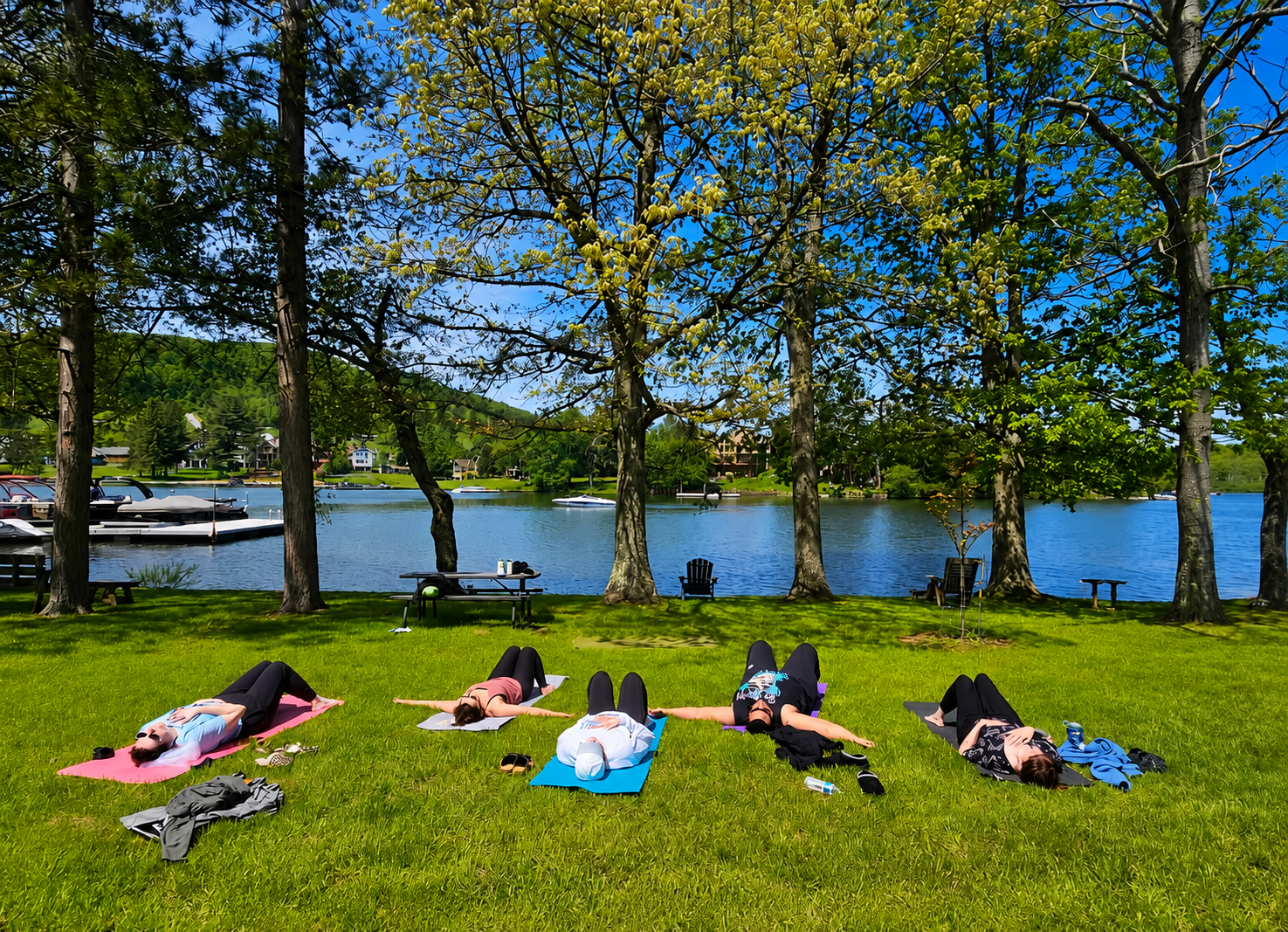
There is a particular kind of tiredness that does not disappear after closing a laptop. The body may be sitting still, yet the mind keeps moving.
Then something simple happens. A person steps outside, walks beneath trees, hears birds in the distance, and notices the trail beneath their feet. Nothing dramatic has changed, but the pace feels different.
That is where nature-based wellness can begin.
The benefits of nature-based wellness come from using meaningful time outdoors to support mental, emotional, and physical well-being. Hiking, walking, mindful observation, nature exploration, and other outdoor experiences can create space to move, breathe, slow down, and reconnect with the world around us.
For people in Garrett County, Maryland, forests, trails, open spaces, and seasonal landscapes offer natural settings for these experiences.
Key Takeaways
- Nature-based wellness combines outdoor time, movement, awareness, and connection with nature.
- Time outdoors can support stress management, mood, attention, and physical activity.
- Small, consistent outdoor experiences can be easier to maintain than complicated wellness routines.
- Safe, guided outdoor activities can help beginners feel more comfortable exploring nature.
What Is Nature-Based Wellness?
Nature-based wellness is the practice of using meaningful outdoor experiences to support overall well-being.
It can include activities such as walking through a forest, hiking, observing wildlife, practicing mindfulness outdoors, or simply sitting quietly in a natural setting.
The idea is not that nature magically fixes every problem. Instead, outdoor environments can create conditions that make healthy habits easier.
A walk through the woods involves movement. A quiet pause beneath trees encourages attention. Listening to wind or birds can draw awareness away from constant screens and notifications.
Research also supports the value of structured outdoor experiences. A systematic review of nature-based interventions found evidence of mental health benefits among adults, while noting that evidence for physical health improvements was less consistent.
That distinction matters. Nature can be a valuable part of wellness without being presented as a replacement for professional care.
The Benefits of Nature-Based Wellness for the Mind
Modern life often gives the brain very little quiet time.
Notifications arrive throughout the day. Work follows people home. Family responsibilities compete for attention. Even moments of rest can become screen time.
Nature offers a different setting.
1. Nature Can Help Create Space From Stress
One of the most noticeable benefits of spending time in nature is the opportunity to step away from daily pressure.
A forest trail does not ask for an email response. A quiet overlook does not require multitasking.
The CDC also recommends spending time outdoors as one approach to managing stress, alongside activities such as deep breathing, meditation, and other relaxing practices.
This does not mean every outdoor experience will instantly remove stress. The benefit may simply come from creating a pause.
That pause can matter.
2. Nature Encourages Mindfulness
Mindfulness does not have to involve sitting cross-legged in silence.
It can happen while walking.
A person might notice the texture of tree bark, the sound of leaves, the temperature of the air, or the changing colors around the trail.
This kind of mindfulness in nature shifts attention toward the present moment.
Forest therapy is another approach built around this type of sensory awareness. The source material describes forest bathing as an experience of absorbing the atmosphere of a forest rather than treating it as exercise alone.
The important lesson is simple: people do not always need to do more. Sometimes they need to notice more.
3. Nature Can Support Mood and Mental Well-Being
Outdoor experiences can also create opportunities for positive emotions.
A favorite trail may become associated with family memories. A particular tree may become a familiar landmark. Watching a landscape change through the seasons can create a sense of connection and continuity.
The source article highlights how regularly visiting a tree or natural place can turn an ordinary location into a meaningful part of someone’s personal story.
That connection can make nature and emotional well-being feel less abstract.
How Outdoor Experiences Support the Body
Nature-based wellness is not only about feeling calmer.
Many outdoor experiences naturally involve movement.
Walking, hiking, climbing gentle terrain, exploring trails, or carrying a small daypack can turn time outdoors into physical activity.
The CDC notes that physical activity can provide immediate benefits, including better sleep and reduced short-term feelings of anxiety in adults.
Outdoor recreation can therefore combine two useful habits: moving the body and spending time in a natural environment.
The setting can also make movement feel less like a workout.
Someone who dislikes a traditional gym may enjoy walking toward a viewpoint, exploring a woodland trail, or discovering something new along the way.
A Simple Framework for Outdoor Wellness
A practical approach can make nature-based wellness easier to maintain.
Try the MOVE framework:
- Move
Choose an activity that matches the person’s current comfort and ability. - Observe
Notice sounds, textures, weather, plants, wildlife, and changing light. - Value the pause
Put aside the urge to rush and allow time to experience the surroundings. - Engage consistently
Return to outdoor experiences regularly instead of waiting for the perfect day.
This framework does not require expensive equipment or an ambitious adventure.
A short neighborhood walk can qualify. So can a family visit to a park or a carefully planned hike.
The goal is not to make nature another task on an already crowded schedule.
Outdoor Wellness Practices to Try
Different people connect with nature in different ways.
| Practice | When it helps | Simple cue | Common mistake |
| Nature walk | When the mind feels busy | Walk without rushing | Turning it into a race |
| Mindful hiking | When movement and reflection are needed | Notice five things nearby | Focusing only on distance |
| Forest therapy | When quiet and sensory awareness appeal | Listen before moving on | Treating it only as exercise |
| Wildlife observation | When curiosity is high | Pause and watch | Getting too close to wildlife |
| Family nature outing | When connection matters | Let everyone notice something | Planning every minute |
| Guided outdoor experience | When beginners want structure | Ask questions and follow guidance | Choosing an activity beyond comfort |
The best practice is often the one that feels realistic enough to repeat.
A Real-World Example
Imagine someone who spends most weekdays indoors.
After work, they feel mentally drained. They want to exercise but do not enjoy traditional workouts. They also find it difficult to relax at home because household responsibilities are always nearby.
Instead of starting with an ambitious fitness plan, they choose a regular outdoor walk.
At first, the goal is simply to get outside.
Over time, the walk becomes something more. They begin noticing seasonal changes, listening for birds, taking different paths, and occasionally stopping to enjoy the surroundings.
The physical movement matters.
So does the mental transition between work mode and personal time.
This is one reason outdoor experiences for well-being can feel different from simply checking exercise off a list.
Do This, Not That
Do: Choose outdoor activities that match current abilities.
Not: Assume a challenging trail is necessary for wellness.
Do: Leave room for quiet observation.
Not: Feel pressured to fill every moment with activity.
Do: Dress and prepare for changing outdoor conditions.
Not: Treat weather or terrain as an afterthought.
Do: Use guided experiences when additional structure or local knowledge would help.
Not: Overestimate experience or ignore safety guidance.
Do: Build outdoor time into a realistic routine.
Not: Wait for the perfect weekend.
Nature-Based Wellness in Garrett County
Garrett County offers a natural setting for people who want to explore nature-based activities in Garrett County.
For visitors and residents alike, outdoor wellness can take many forms. A person may prefer a quiet nature walk. Another may enjoy a more active hike. Families may want an educational outdoor experience, while beginners may feel more comfortable with a guided activity.
The right choice depends on personal interests, experience, fitness, weather, and the type of experience someone wants.
For those searching for guided hike tours near Deep Creek Lake, a guided experience can also provide structure while allowing participants to focus on the landscape rather than worrying about every detail of the outing.
Guided hiking in Garrett County can be especially appealing to people who want to learn about the surrounding environment while enjoying time outdoors.
Common Misconceptions About Outdoor Wellness
“It only counts if the activity is difficult.”
Not true.
Wellness does not require an exhausting hike. A gentle walk or quiet nature experience can still provide meaningful time outdoors.
“Nature-based wellness is only for people who love hiking.”
Not necessarily.
People can connect with nature through observation, gardening, family outings, mindful sitting, photography, or easy walks.
“Nature can replace professional treatment.”
It should not be treated that way.
Outdoor experiences can complement healthy routines and support general well-being. They are not a substitute for medical or mental health treatment.
“Every outdoor experience needs special equipment.”
Many simple activities require very little.
Comfortable clothing, appropriate footwear, water, weather protection, and basic preparation may be enough for a simple outing. More demanding activities require more careful planning.
How to Make Outdoor Wellness a Habit
Start smaller than expected.
Instead of promising to spend an entire day outdoors every weekend, begin with a realistic routine.
A person might choose one regular outdoor activity each week. During that time, the goal can be simple: move, observe, and slow down.
Families can make it a shared ritual. Couples can choose a favorite walking route. Individuals can return to the same natural place and notice how it changes.
The source material emphasizes consistency and simple nature-based activities rather than requiring a large forest or elaborate setup.
That may be one of the most useful lessons.
Wellness becomes more sustainable when it fits real life.
Frequently Asked Questions
What are the main benefits of nature-based wellness?
The benefits of nature-based wellness can include opportunities for stress management, mindfulness, physical activity, positive mood, and connection with the natural environment.
Is nature-based wellness suitable for beginners?
Yes. Beginners can start with simple walks, quiet observation, or easy outdoor activities. Activity choice should always match individual abilities and conditions.
How often should someone spend time outdoors for wellness?
There is no single schedule that works for everyone. A consistent routine that feels realistic is often more useful than an occasional ambitious outing.
What outdoor experiences are available near Deep Creek Lake?
Options can include nature walks, hiking, wildlife observation, seasonal activities, and guided outdoor experiences. Availability and conditions can vary by season and location.
What does a guided nature experience provide?
A guided experience can offer structure, local knowledge, education, and safety guidance. It can be particularly helpful for visitors or beginners who want to explore with greater confidence.
Conclusion
The benefits of nature-based wellness are not about escaping everyday life forever. They are about creating small opportunities to reconnect with the body, the mind, and the natural world.
A trail can become a place to move. A forest can become a place to breathe. A quiet outdoor moment can become a reminder that rest does not always require staying indoors.
For people exploring wellness in Garrett County, outdoor experiences can provide a meaningful way to combine movement, curiosity, mindfulness, and connection.
Those interested in exploring guided nature and wellness experiences can learn more through All Earth Eco Tours, LLC or contact 301-746-4083 or carol@allearthtours.com.
Important note: Outdoor and nature-based wellness experiences support general well-being but are not a substitute for medical or mental health treatment. Participants should select activities suited to their abilities and follow appropriate safety guidance. Weather, terrain, and seasonal conditions can affect every outdoor experience.