


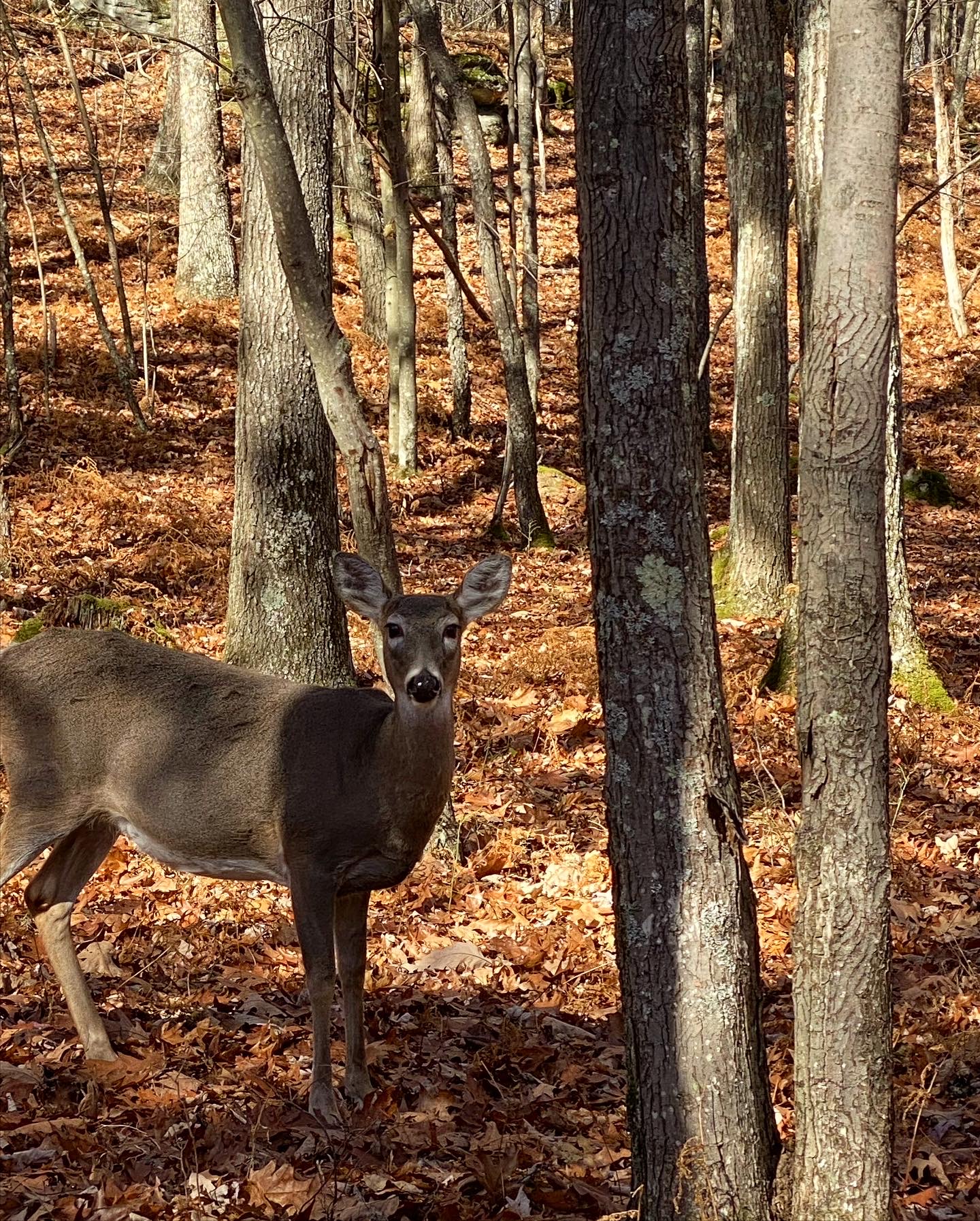
Imagine walking through a Maryland forest in November. The colorful canopy has disappeared, and the familiar trails look completely different. Bare branches stretch toward the sky, and fallen leaves cover the ground.
At first, the forest may seem quiet and lifeless. But beneath those leaves, something remarkable is happening.
Maryland forests after fall enter a season of change, not inactivity. Trees conserve energy, fallen leaves begin breaking down, and wildlife adjusts to colder weather. The forest floor becomes an important shelter for insects, fungi, and other small creatures.
From Garrett County to the Deep Creek Lake region, these seasonal changes reveal another side of Maryland’s natural beauty. Understanding them makes late-autumn and winter walks more meaningful.
Key Takeaways
- Fallen leaves protect the forest floor and gradually return nutrients to the soil.
- Trees prepare for winter by slowing growth and conserving resources.
- Wildlife adapts through migration, food storage, shelter, and reduced activity.
- Winter forests remain valuable habitats filled with natural processes and seasonal discoveries.
What Happens in Maryland Forests After the Leaves Fall?
When autumn ends, Maryland’s forests begin preparing for colder conditions. Trees lose their seasonal leaves, plants enter periods of reduced growth, and animals adjust their daily routines.
However, these changes do not happen all at once.
Different species respond to temperature, daylight, elevation, and available food. A forest in Garrett County may experience different conditions from a woodland in southern Maryland.
The result is a changing ecosystem where every fallen leaf, tree branch, and sheltered space plays a role.
1. Fallen Leaves Become Nature’s Protective Blanket
One of the most noticeable changes happens beneath your feet.
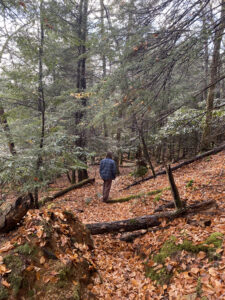
After leaves fall, they create a natural covering across the forest floor. This layer helps protect the soil from temperature changes, heavy rainfall, and erosion.
It also provides shelter for small organisms.
Insects, spiders, millipedes, and other tiny creatures use fallen leaves as hiding places. Some remain active during mild periods, while others spend colder months sheltered beneath the surface.
The leaves also begin decomposing. Fungi, bacteria, earthworms, and other organisms help break down this organic material.
Over time, nutrients return to the soil and become available to growing plants.
This process is important for maintaining a healthy forest ecosystem.
A simple way to understand it is to think about fallen leaves in a garden. Instead of treating them as waste, they can become natural material that supports soil health.
2. Trees Enter a Period of Rest
Have you ever wondered why trees survive winter without their leaves?
Deciduous trees, including many oaks, maples, and birches, prepare for colder weather through several seasonal changes.
Before dropping their leaves, trees gradually recover and store useful resources. They also form protective structures around next season’s buds.
Once the leaves fall, trees reduce active growth and conserve energy.
This period is often described as winter dormancy.
What is winter dormancy?
Winter dormancy is a natural resting period when a tree greatly slows its growth and metabolic activity to survive unfavorable seasonal conditions.
Although bare branches may look lifeless, trees remain alive. Their roots and living tissues continue essential functions.
Some evergreen trees behave differently. They retain their needles throughout winter and continue photosynthesis when conditions allow.
This contrast adds variety to Maryland forests during the colder months.
3. Wildlife Finds New Ways to Survive
The disappearance of autumn leaves changes more than the appearance of a forest. It also affects the animals living there.
Wildlife in Maryland forests responds to colder temperatures in different ways. Some animals migrate, others remain active, and some enter periods of reduced activity.
For example, white-tailed deer remain in the region throughout winter. They adjust their feeding habits and seek sheltered areas when weather becomes harsh.
Squirrels may spend more time searching for food they previously stored. Their winter survival depends partly on access to these food supplies.
Birds also follow different seasonal patterns. Some species migrate to warmer regions, while others remain in Maryland.
Woodpeckers, chickadees, and other resident birds continue searching for food among tree trunks, branches, and sheltered spaces.
These changes demonstrate how wildlife responds to seasonal challenges.
A quiet winter walk may reveal animal tracks, feeding marks, feathers, or movement among bare branches.
Such discoveries make the forest interesting even when wildlife is difficult to see.
4. The Forest Floor Becomes a Hidden Wildlife Habitat
While visitors often focus on large animals, much of the forest’s winter activity happens close to the ground.
Fallen branches, old logs, leaf litter, and moss provide valuable shelter for small organisms.
Salamanders, insects, spiders, and other creatures may use these spaces to escape harsh weather.
Decomposing wood also supports fungi and other organisms that help recycle nutrients.
This process creates connections between different parts of the forest.
A fallen tree, for example, does not simply become useless material. As it breaks down, it provides food and shelter for organisms.
Eventually, its nutrients become part of the surrounding soil.
This is one reason fallen logs and natural leaf litter should remain undisturbed during forest visits.
Removing them can affect the small habitats that support woodland biodiversity.
5. Birds and Other Wildlife Become Easier to Spot
When trees lose their leaves, the forest becomes more open. This creates new opportunities for observing wildlife.
Birds that were difficult to see among thick summer foliage may become easier to notice. Their movements stand out against bare branches.
Birdwatchers can watch for chickadees, nuthatches, woodpeckers, and other birds that remain in Maryland during colder months.
Winter also changes how birds search for food. They may visit tree trunks, seed-bearing plants, and sheltered areas.
For nature photographers, this season offers different opportunities. Bare branches create interesting patterns, while soft winter light highlights details often hidden during summer.
However, wildlife observation requires patience. Animals may avoid busy trails or remain hidden during unfavorable weather.
The best approach is to slow down, listen carefully, and observe without disturbing their surroundings.
6. Maryland’s Forest Landscape Reveals a Different Beauty
The absence of colorful leaves does not make a forest less beautiful. Instead, it reveals details that summer often hides.
Tree trunks become more visible. Moss stands out against dark wood, and evergreen branches add color to otherwise muted landscapes.
In Western Maryland, the forests around Garrett County offer particularly interesting seasonal scenery.
Visitors exploring the Deep Creek Lake region can discover wooded landscapes, mountain views, and peaceful trails during the colder months.
Places such as Herrington Manor State Park, New Germany State Park, and Swallow Falls State Park provide opportunities to appreciate different woodland settings.
Winter conditions can transform familiar trails into entirely new experiences. A light snowfall, for example, may reveal animal tracks and highlight the shapes of branches.
Maryland’s forest landscape also has considerable ecological importance.
According to the Maryland Department of Natural Resources, forests cover approximately 39% of the state. This makes understanding and protecting woodland habitats important throughout every season.
7. What Happens to Plants and Seeds During Winter?
Not every plant disappears when temperatures drop.
Some woodland plants remain green beneath fallen leaves. Others survive winter through underground roots, bulbs, or seeds.
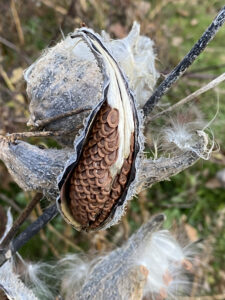
Many wildflowers complete their growing season before winter arrives. Their seeds remain in the soil or on dried flower heads until suitable conditions return.
Native grasses and other plants also provide food and shelter for wildlife.
Some plants rely on seasonal temperature changes as part of their natural life cycles. Others wait for warmer weather and longer daylight before beginning new growth.
This hidden activity reminds visitors that winter is not simply an empty period between growing seasons.
It is part of the natural cycle that keeps woodland habitats functioning.
8. How to Explore Maryland Forests After Fall
Late fall and winter can be wonderful times to explore woodland trails. However, changing weather requires thoughtful preparation.
A comfortable walk begins with suitable clothing, reliable footwear, and awareness of trail conditions.
For anyone planning a forest visit, a simple preparation framework can make the experience safer and more enjoyable.

The 4 P’s of Winter Forest Exploration
- Prepare: Check the forecast, trail conditions, and daylight hours before leaving.
- Protect: Wear warm layers, suitable footwear, and clothing appropriate for changing conditions.
- Pay Attention: Watch for slippery surfaces, exposed roots, animal tracks, and changing weather.
- Preserve: Stay on designated trails and leave natural materials undisturbed.
These four steps help visitors enjoy nature while respecting woodland habitats.
Simple Winter Hiking Practices
| Practice | When It Helps | Simple Cue | Common Mistake |
| Layer clothing | Cold or changing weather | Add or remove layers as needed | Wearing only one heavy layer |
| Check the forecast | Before every outing | Look for wind, rain, and snow | Assuming conditions will remain stable |
| Wear suitable footwear | Wet, muddy, or icy trails | Choose footwear with good grip | Using smooth-soled shoes |
| Carry water and snacks | Longer outdoor visits | Pack enough for the outing | Assuming cold weather prevents dehydration |
| Observe wildlife quietly | Throughout the walk | Watch from a distance | Approaching or feeding animals |
Preparation matters because winter conditions can change quickly, especially in mountainous areas.
9. Common Misconceptions About Winter Forests
Several misunderstandings can prevent people from appreciating Maryland’s forests after autumn.
Misconception 1: Forests become lifeless after leaves fall.
Reality: Trees, roots, fungi, insects, and wildlife continue their seasonal activities. Much of this activity simply becomes less visible.
Misconception 2: All animals hibernate during winter.
Reality: Some animals migrate, others remain active, and certain species enter dormancy or hibernation.
Misconception 3: Fallen leaves are forest waste.
Reality: Leaf litter supports soil organisms, protects the ground, and contributes to nutrient recycling.
Misconception 4: Winter is a poor season for nature exploration.
Reality: Bare branches, animal tracks, evergreen plants, and winter birds offer different opportunities for observation.
Understanding these differences changes how visitors experience the outdoors.
10. Do This, Not That: Respecting Winter Woodland Habitats
A responsible forest visit protects the same natural features that make these landscapes special.
- Do: Observe animal tracks without following wildlife into secluded areas.
- Not: Chase animals for photographs or closer views.
- Do: Leave fallen branches and decaying logs where they naturally rest.
- Not: Remove natural materials from woodland habitats.
- Do: Stay on established trails and follow posted guidance.
- Not: Create shortcuts through sensitive vegetation.
- Do: Enjoy birdsong and observe wildlife quietly.
- Not: Feed wild animals or disturb their shelter.
Small decisions can make a meaningful difference to forest conservation.
11. Why Winter Is a Wonderful Time to Reconnect With Nature
Winter offers a different kind of outdoor experience.
Without thick foliage, visitors can notice the shapes of trees, textures of bark, and small details along the forest floor.
The quieter surroundings also encourage people to slow down. Instead of rushing toward a scenic viewpoint, they can pay attention to birdsong, wind, and movement among the trees.
For families, these walks can become opportunities for outdoor learning.
Children can look for animal tracks, compare different tree bark patterns, and discover how fallen leaves support woodland life.
Nature photography enthusiasts can explore winter lighting, woodland textures, and seasonal wildlife.
For anyone interested in nature exploration in Maryland, colder months provide another reason to visit local forests.

Discover the Forests Around Garrett County
The Deep Creek Lake region offers more than its popular warm-weather attractions. Its surrounding woodlands provide opportunities to experience changing seasons and appreciate local biodiversity.
Guided nature experiences can also help visitors understand what they see along the trail.
Learning about native trees, seasonal wildlife, and forest ecosystems adds meaning to an ordinary walk.
For visitors seeking Guided Nature Tours in Maryland, exploring the region with knowledgeable outdoor guides can make these seasonal discoveries even more rewarding.
Conclusion
When autumn leaves fall, Maryland’s forests begin a different chapter.
Trees conserve energy, fallen leaves nourish the soil, and wildlife finds ways to survive colder conditions. Beneath the quiet landscape, natural processes continue supporting the entire ecosystem.
The changing appearance of the woods offers a reminder that nature does not need bright colors or warm temperatures to remain beautiful.
Maryland Forests After Fall deserve just as much appreciation as they receive during peak autumn foliage.
For visitors exploring Garrett County and the Deep Creek Lake region, winter walks offer opportunities to discover this quieter side of the natural world.
Through guided hiking and nature-based outdoor adventures, All Earth Eco Tours, LLC encourages visitors to experience the outdoors and develop a deeper appreciation for local landscapes.
Those interested in exploring available experiences can visit www.allearthtours.com, call 301-746-4083, or email carol@allearthtours.com.
FAQ
1. What happens to Maryland forests when autumn leaves fall?
Trees enter winter dormancy, fallen leaves begin decomposing, and wildlife adjusts to colder weather. The forest floor becomes an important habitat for insects, fungi, and other organisms.
2. Are Maryland forests worth visiting during winter?
Yes. Winter forests offer opportunities to observe animal tracks, resident birds, evergreen plants, and interesting woodland landscapes. Visitors can also enjoy quieter trails and seasonal scenery.
3. What animals remain active in Maryland forests during winter?
White-tailed deer, squirrels, chickadees, woodpeckers, and other resident wildlife remain active. Their feeding habits and daily routines may change with weather and food availability.
4. What should visitors bring when hiking Maryland forests in winter?
Visitors should bring warm layered clothing, comfortable footwear with good traction, drinking water, snacks, and a fully charged phone. Checking weather forecasts and trail conditions is also important.
5. What can visitors expect from guided nature tours around Deep Creek Lake?
Guided nature experiences can introduce visitors to local woodland habitats, seasonal landscapes, and outdoor exploration. Depending on the activity and conditions, participants may learn about native plants, wildlife, and forest ecosystems. Specific wildlife sightings are never guaranteed.