


Imagine walking through a Maryland forest on a cool November morning. The trees are losing their leaves, the ground is covered with acorns, and birds are calling from the branches. Somewhere nearby, a squirrel carries food toward its hiding place. A deer moves quietly through the fading undergrowth, while a black bear searches for its next meal.
Winter may still be approaching, but nature is already preparing.
Across Maryland, animals respond to shorter days, colder temperatures, and changing food supplies. Some gather food, others grow thicker coats, and many birds begin seasonal journeys. Certain reptiles and amphibians become inactive as temperatures fall.
Maryland Wildlife in Winter tells a fascinating story of preparation, adaptation, and survival. In Garrett County and the Deep Creek Lake region, these seasonal changes offer valuable opportunities to understand the natural world.
The more people understand these behaviors, the better they can appreciate and protect local wildlife.
Key Takeaways
- Maryland wildlife uses different survival strategies to handle winter conditions.
- Black bears, squirrels, and chipmunks prepare by increasing food intake or storing supplies.
- Birds migrate, while other species remain active throughout colder months.
- Frogs, turtles, and some other animals survive winter in protected, inactive states.
- Respecting wildlife habitats helps animals prepare without unnecessary disturbance.
Why Do Animals Prepare for Winter?
Animals prepare for winter because colder weather changes their access to food, water, and shelter. Their survival depends on finding ways to manage these seasonal challenges.
During autumn, forests provide important food sources. Acorns, berries, seeds, insects, and other natural foods become essential resources.
However, these supplies become harder to find when temperatures drop and snow or ice covers the ground.
Unlike people, wild animals cannot simply turn up the heating or visit a grocery store. They depend on instincts and natural adaptations developed over generations.
Some animals prepare months ahead. Others respond gradually as environmental conditions change.
In Maryland, winter preparation looks different across forests, wetlands, fields, and mountain habitats. The cooler climate of western Maryland makes these seasonal changes especially interesting to observe.
How Black Bears Prepare for Winter in Maryland
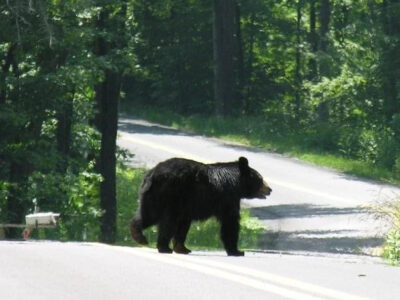
Few animals show the importance of autumn preparation better than Maryland’s black bears. As temperatures cool, these powerful mammals begin searching for food more frequently.
Their autumn diet includes acorns, berries, nuts, fruits, insects, and other available foods. Acorns are especially important because they help bears build the fat reserves needed for winter.
This period of increased eating is called hyperphagia. It is a natural feeding response that helps bears prepare for months of reduced activity.
According to the Maryland Department of Natural Resources, black bears may consume more than 20,000 calories daily during this preparation period.
As winter approaches, bears seek protected places to spend time in their dens. These locations may include hollow trees, rock spaces, or sheltered areas beneath large structures.
Bear activity is particularly relevant in Garrett County, where black bears are part of the local landscape.
However, an important detail often surprises people. Black bears are not considered true hibernators in the same way as some other mammals. Their body temperature changes less dramatically, but their heart rate and breathing slow considerably.
Why Bear Safety Matters During Autumn
Increased feeding can bring bears closer to residential areas when human food is available.
Bird feeders, unsecured garbage, outdoor pet food, and other food sources can attract them. Keeping these items secure helps prevent dangerous encounters.
Visitors exploring wooded areas should stay alert, respect wildlife, and never approach or feed a bear.
Squirrels and Chipmunks Build Their Winter Food Supplies
A squirrel carrying an acorn through the forest might seem like an ordinary autumn sight. However, this small activity plays an important role in winter survival.
Squirrels gather nuts, seeds, and other foods throughout autumn. They hide these supplies in different locations, creating natural food reserves for colder days.
Gray squirrels also use tree cavities and leaf nests for shelter. These protected spaces help them escape harsh weather.
Red squirrels, which are especially associated with western Maryland’s evergreen forests, also collect and store food.
Chipmunks follow a slightly different approach. They gather food and carry it into underground burrows using special cheek pouches.
Their underground storage areas provide access to food when snow covers the forest floor.
Why Food Storage Is Important
Winter reduces the availability of many natural food sources. Stored food gives these small mammals another way to survive periods when fresh supplies become difficult to find.
Interestingly, forgotten seeds and nuts can sometimes grow into new plants. This makes squirrels and other seed-carrying animals valuable contributors to forest regeneration.
How Deer Adapt to Colder Weather
White-tailed deer remain active throughout Maryland’s winter months. Instead of escaping the cold through extended dormancy, they rely on physical and behavioral adaptations.
One noticeable change is their winter coat. As autumn progresses, deer develop thicker, denser fur that provides better insulation.
Their seasonal behavior also changes. Deer may spend more time resting in sheltered locations and conserving energy when temperatures become especially cold.
Food availability influences their movements. During warmer months, they enjoy a wider variety of plants, leaves, and vegetation.
Winter can limit these choices. Deer increasingly depend on woody plants, buds, twigs, and other available vegetation.
In areas with heavy snowfall, movement may become more difficult. Forest cover and sheltered feeding areas become especially valuable.
For people observing deer, these changes offer an interesting reminder. Even familiar animals adjust their daily routines when the seasons change.
Maryland Birds: Some Leave, Others Stay
Bird migration is one of nature’s most remarkable seasonal events. As autumn advances, many Maryland birds begin moving toward regions with more dependable food supplies.
However, not every bird leaves.
Some species migrate because their usual food becomes scarce. Insect-eating birds, for example, may travel south when insects become harder to find.
Other species remain in Maryland because they can continue finding suitable food throughout winter.
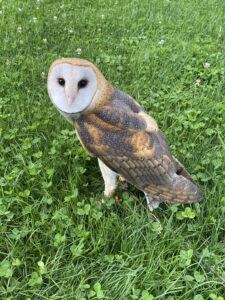
Cardinals, finches, and several other familiar birds can be spotted during colder months.
What Happens to Birds That Stay?
Resident birds must adjust their feeding habits and conserve energy.
They search for seeds, berries, and other available foods. Some also rely on natural shelter provided by evergreen trees, shrubs, and dense vegetation.
People can support local birds by maintaining native plants and providing clean water when practical.
Bird feeders can also help during winter. However, in bear country, feeders should be managed carefully and used only when bears are no longer active around them.
How Frogs, Turtles, and Other Cold-Blooded Animals Survive
Not all wildlife responds to winter by gathering food or migrating. Reptiles and amphibians have different ways of surviving colder conditions.
Many become inactive as temperatures fall. This behavior helps them conserve energy when their bodies cannot function normally in cold conditions.
Reptiles often enter a state called brumation. It is similar to hibernation but describes the seasonal inactivity seen in cold-blooded animals.
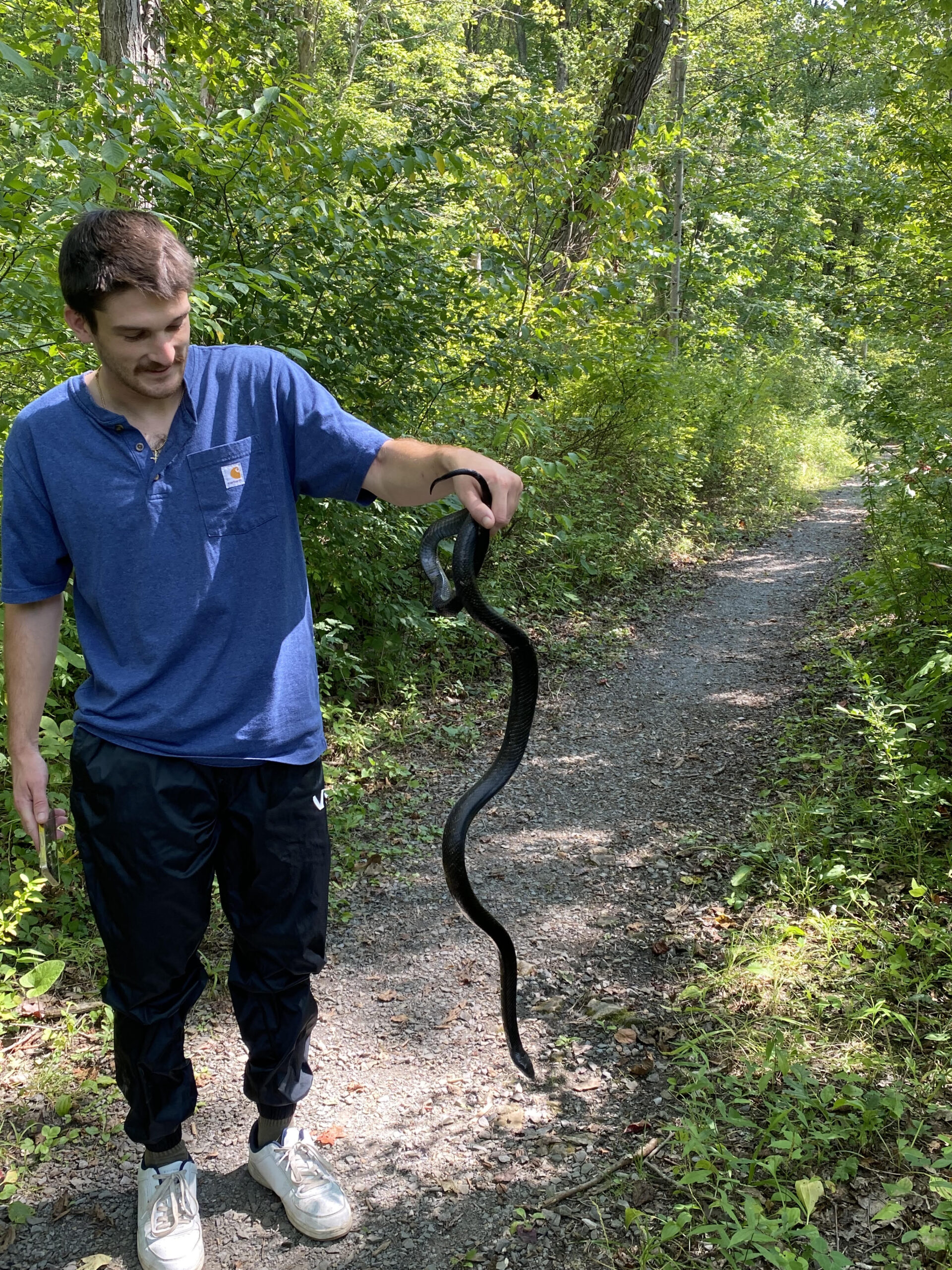
Snakes may shelter underground, beneath rocks, or in protected spaces. Turtles can spend winter in aquatic or terrestrial shelters, depending on their species.
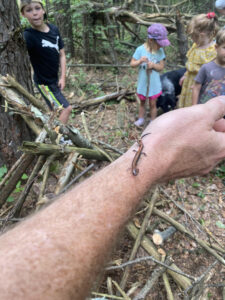
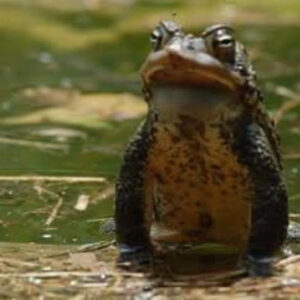
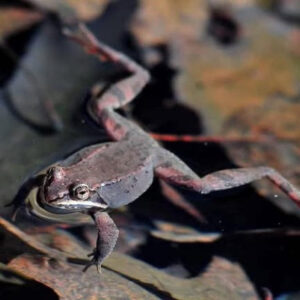
Frogs also have interesting survival strategies. Some spend winter beneath leaves, soil, or other protected areas. Certain aquatic species remain in ponds and wetlands.
These quiet habitats are important. Disturbing logs, leaf piles, rocks, or wetland areas can interfere with animals using them for winter shelter.
Understanding the Different Winter Survival Strategies
Every species responds to seasonal changes according to its physical needs and natural environment.
| Animal | Winter preparation | Survival strategy | Where to look |
| Black bears | Build fat reserves | Denning | Large forest habitats |
| Gray squirrels | Collect nuts and seeds | Food storage and shelter | Mature woodlands |
| Chipmunks | Gather food | Underground burrows | Woodland edges |
| White-tailed deer | Grow thicker coats | Stay active and conserve energy | Forests and fields |
| Migratory birds | Travel toward suitable food sources | Seasonal migration | Open skies and wetlands |
| Turtles and snakes | Find protected shelter | Brumation or winter inactivity | Wetlands and sheltered ground |
Wildlife Habitats Around Garrett County and Deep Creek Lake
Western Maryland offers a beautiful setting for observing seasonal changes in nature.
The forests, wetlands, streams, and open spaces around Garrett County provide different habitats for local wildlife.
The Deep Creek Lake region is especially interesting during autumn. Changing foliage, cooler temperatures, and shifting animal activity create a different outdoor experience.
Several natural areas provide opportunities to appreciate these seasonal changes.
- Swallow Falls State Park: Its wooded landscape and waterways offer opportunities to appreciate forest habitats.
- Herrington Manor State Park: Forest surroundings provide a peaceful setting for seasonal nature observation.
- New Germany State Park: Its woodland and lake environment highlight the connection between wildlife and natural habitats.
- Big Run State Park: Its forested surroundings offer another opportunity to appreciate western Maryland’s natural landscape.
Wildlife sightings are never guaranteed. Animals move according to their needs, weather conditions, and available food.
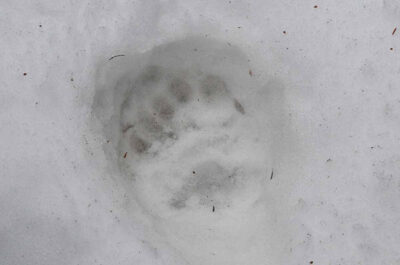
The best experience often comes from noticing smaller details. Tracks in soft ground, birds calling overhead, or squirrels collecting food can reveal plenty about the changing season.
A Simple Framework for Responsible Winter Wildlife Observation
Understanding wildlife is only part of enjoying nature. Knowing how to observe animals responsibly is equally important.
A simple approach can make outdoor exploration safer and more meaningful.
Follow these four steps:
- Choose suitable natural areas. Visit established trails and public outdoor spaces where wildlife habitats can be observed without entering restricted areas.
- Watch from a safe distance. Use binoculars or a camera with zoom rather than approaching animals.
- Notice seasonal signs. Look for tracks, fallen nuts, bird activity, and changes in vegetation.
- Leave natural habitats undisturbed. Avoid moving logs, disturbing dens, collecting wildlife, or feeding animals.
This approach helps visitors enjoy nature while respecting the needs of wildlife.
Common Misconceptions About Maryland Wildlife in Winter
Winter wildlife behavior is often misunderstood. A few common misconceptions can lead people to make incorrect assumptions about animals.
Misconception 1: All bears sleep continuously throughout winter.
Black bears spend extended periods in dens, but their activity can vary with weather and other conditions. Denning is not necessarily uninterrupted deep sleep.
Misconception 2: Every bird migrates south.
Many birds remain in Maryland throughout winter. Their ability to find seeds, berries, and other food helps them survive.
Misconception 3: Animals stop searching for food in winter.
Some animals remain active and continue looking for available food. Deer and squirrels, for example, may still be seen during colder months.
Misconception 4: Feeding wildlife helps animals survive winter.
Human food can create unhealthy dependence and increase conflicts. Natural food sources and healthy habitats are much better for wildlife.
Do This, Not That: Protecting Winter Wildlife
Small choices can make a meaningful difference when people share outdoor spaces with animals.
– Do: Keep a respectful distance when observing wildlife.
Not: Approach animals for photographs.
– Do: Secure garbage and outdoor food sources.
Not: Leave food outside to attract wildlife.
– Do: Stay on established trails.
Not: Enter animal dens or disturb natural shelters.
– Do: Observe birds and animals quietly.
Not: Chase wildlife to get a closer look.
– Do: Preserve native plants and natural habitats.
Not: Remove fallen logs and vegetation unnecessarily.
Responsible outdoor behavior supports wildlife and makes nature exploration more enjoyable.
Why Winter Is Still a Wonderful Time to Explore Nature
Many people associate outdoor adventures with warm weather. However, winter offers a different way to experience Maryland’s natural landscapes.
Bare trees reveal features that summer foliage often hides. Animal tracks become easier to notice after fresh snowfall. Evergreen forests provide color against otherwise quiet winter scenery.
Bird calls, moving branches, and changes in animal activity offer interesting details for curious visitors.
Guided outdoor experiences can also help people develop a deeper understanding of local ecosystems. A knowledgeable guide can explain natural features, encourage careful observation, and make a simple walk more educational.
For families, these experiences can help children develop curiosity about wildlife and environmental responsibility.
Nature exploration in Garrett County does not need to involve spotting a rare animal. Sometimes, understanding why an animal is absent can be just as interesting as seeing one.
Conclusion
As Maryland moves toward winter, its wildlife follows remarkable survival patterns. Bears build fat reserves, squirrels store food, deer develop thicker coats, and migratory birds travel toward suitable habitats.
Other animals become inactive and wait for warmer conditions in protected spaces.
Understanding Maryland Wildlife in Winter helps people appreciate the importance of seasonal changes and healthy natural habitats.
The forests around Garrett County and the Deep Creek Lake region offer wonderful opportunities to observe these changes responsibly.
For those interested in learning more about local ecosystems, outdoor education, and nature-based adventures, All Earth Eco Tours, LLC offers opportunities to connect with the natural world through guided outdoor experiences.
Ready to explore the natural beauty of Western Maryland?
Visit www.allearthtours.com to learn about available outdoor experiences.
Email: carol@allearthtours.com
Phone: 301-746-4083
FAQ
1. How do Maryland animals prepare for winter?
Maryland animals use different survival strategies. Some gather and store food, others migrate, and certain species grow thicker coats or become inactive in protected shelters.
2. Do black bears hibernate in Maryland?
Maryland black bears enter dens during winter. Their heart rate and breathing slow, allowing them to conserve energy while food is less available.
3. Which birds stay in Maryland during winter?
Cardinals, finches, and other resident species remain in Maryland throughout the colder months. They adjust their feeding habits to use available natural food sources.
4. How can people observe winter wildlife responsibly?
People should stay on marked trails, maintain a safe distance, avoid feeding animals, and leave natural shelters undisturbed. Binoculars are useful for observing wildlife without approaching it.
5. Can visitors learn about local wildlife through guided outdoor experiences?
Yes. Guided outdoor experiences can help visitors understand local habitats, seasonal changes, and the natural environment. Available activities and wildlife sightings depend on the season and conditions.