


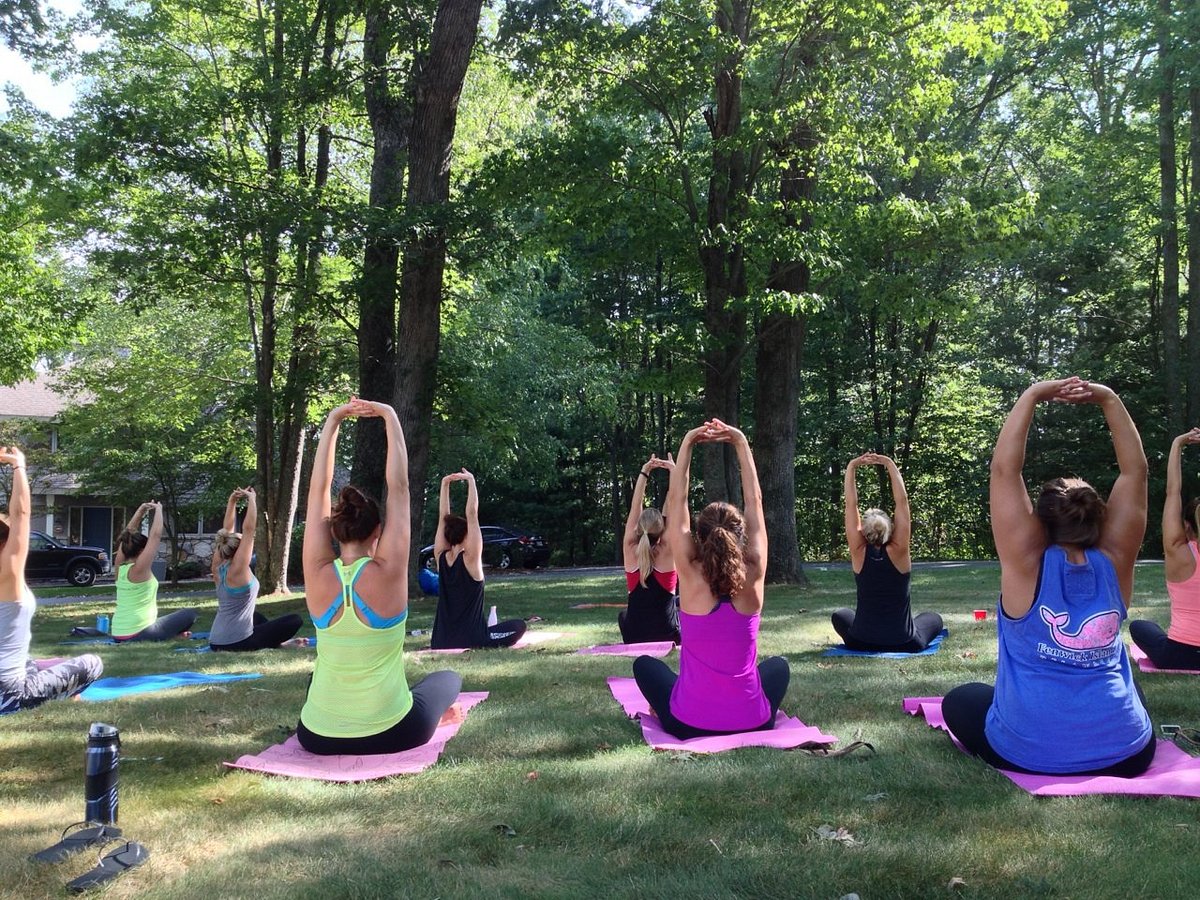
Your mind needs a quieter place.
Not another app. Not another productivity trick. Not another weekend packed so tightly that Monday feels like a punishment.
If you are visiting Deep Creek Lake, living in Garrett County, or simply trying to shake off the weight of too much screen time, the woods can offer something surprisingly simple: room to breathe. The Benefits of forest bathing begin with slowing down long enough to notice where you are.
A leaf moving in the wind. The smell of damp earth after rain. The hush that settles under tall trees. None of it asks you to hurry.
Forest bathing, also called shinrin-yoku, is the practice of spending slow, mindful time in nature using the senses. It is not hiking for mileage. It is not a workout. It is not a race to the prettiest overlook. It is a calm way to let the body, mind, and attention return to the present.
Key Takeaways
- Forest bathing may help support stress reduction, mindfulness, and emotional restoration.
- It works best when you slow down, silence your phone, and notice nature through your senses.
- You can practice it on a trail, in a park, near a lake, or during a guided nature walk.
- Forest bathing supports wellness, but it is not medical treatment.
Why Forest Bathing Matters More Than People Think
Most people do not realize how much noise they carry.
There is the obvious noise: traffic, alerts, group texts, work calls, family plans, and the little buzz of a phone nearby. Then there is the quieter noise: the mental list that never ends, the pressure to make every vacation perfect, the feeling that rest must be earned.
Garrett County has a way of interrupting that pattern.
Spring trails can be muddy and bright at the same time. Summer woods feel green and full. Fall brings that crisp Western Maryland air that makes even a short walk feel like a reset. Winter has its own quiet, especially when snow softens the trail.
Forest bathing turns those moments into a practice. Instead of moving through nature as background scenery, you give it your attention.
That is the first hidden benefit. You stop treating nature like something to pass through and start letting it meet you where you are.
What Are the Benefits of Forest Bathing?
The Benefits of forest bathing are mostly felt in simple, everyday ways. A person may feel calmer after a slow walk. A couple may talk more easily when they are not rushing from one activity to the next. A family may find that children notice moss, birds, water, and rocks before they ask for a screen.
Forest bathing may support:
- mental well-being
- natural stress relief
- anxiety relief
- emotional restoration
- mindfulness in nature
- better focus after mental overload
- deeper connection with the outdoors
- a healthier digital detox
The research is still growing, and responsible content should not pretend the forest is a cure-all. Still, newer evidence is promising. A 2025 systematic review and meta-analysis in Frontiers in Psychology included 15 randomized controlled trials across 11 studies and found that forest therapy was associated with reduced anxiety, anger, depression, fatigue, and confusion, while also supporting vitality. The authors also noted limits in the evidence and called for more diverse research.
That balance matters.
Forest bathing can be helpful without being overhyped. It may support well-being, but it should not replace medical care, therapy, or mental health treatment when those are needed.
How Does Forest Bathing Help Mental Health?
Forest bathing helps by giving attention a softer place to land.
Think about how your mind feels after a long day indoors. Everything is sharp edged. Screens glow. Decisions pile up. Even relaxing can start to feel like another task.
A forest changes the pace.
Your eyes follow light through branches. Your ears pick up birds, water, wind, or the crunch of gravel. Your breathing may slow without forcing it. This is where concepts like Attention Restoration Theory and Stress Reduction Theory come in. In simple terms, nature may help the brain recover from constant directed attention and daily stress.
There is also the body side of the story. Forest bathing is often discussed alongside the parasympathetic nervous system, heart rate variability, cortisol reduction, and phytoncides, which are natural compounds released by some trees and plants. Those terms can sound technical, but the lived experience is easy to understand.
You feel less braced.
You feel more here.
That is the point.
Forest Bathing vs Hiking: What Is the Difference?
Both can be wonderful. They simply have different goals.
| Experience | Main Focus | Best For | Common Mistake |
| Hiking | Movement, distance, scenery | Fitness, adventure, exploring trails | Rushing to finish |
| Forest bathing | Slowness, senses, presence | Stress reduction, mindfulness, mental reset | Treating it like exercise |
| Guided nature walk | Learning, safety, local insight | Families, visitors, beginners | Trying to notice everything at once |
| Outdoor wellness experience | Relaxation, connection, gentle structure | Couples, groups, wellness travelers | Expecting instant results |
If hiking says, “Let’s get there,” forest bathing says, “Let’s be here.”
That small shift makes a big difference.
A guided hike near Deep Creek Lake may still include moments of forest bathing. A kayak tour may include quiet time on the water. A winter walk at Swallow Falls or a wooded trail in Western Maryland may become more restorative when you pause long enough to listen.
A Simple Way to Practice Forest Bathing for Beginners
You do not need special gear. You do not need to know tree names. You do not need to meditate perfectly.
Start with this simple five-step practice:
- Choose a safe natural place. A wooded trail, park, lakeside path, or quiet yard can work.
- Silence your phone. Keep it for safety, but give your attention back to the place.
- Walk slower than usual. Let the trail set the pace instead of your calendar.
- Use one sense at a time. Look first, then listen, then notice smell, touch, and temperature.
- Pause before leaving. Take one quiet minute to notice how your body feels.
That is enough.
The goal is not to empty the mind. The goal is to stop fighting it. When thoughts come up, let them pass like clouds over the ridge.
What Most People Get Wrong About Nature Therapy
People often think nature therapy has to look perfect.
It does not.
The sky can be gray. The trail can be muddy. Your mind can wander. Your kids can ask a dozen questions about snacks. Your first five minutes may feel awkward.
That is normal.
Forest therapy, ecotherapy, green space therapy, and other nature-based interventions are not about creating a flawless outdoor scene. They are about reconnecting with the world beyond screens, schedules, and indoor pressure.
Here is the better approach:
Do this: Notice one tree, one sound, one breath, one patch of light.
Not that: Try to force a deep spiritual moment.
Do this: Dress for the weather and choose a comfortable route.
Not that: Push through a trail that feels too long or unsafe.
Do this: Let the experience be simple.
Not that: Turn it into another achievement.
John Muir said, “In every walk with Nature one receives far more than he seeks.”
That quote still lands because it is true. Nature often gives more when people stop trying to take so much from it.
Why Guided Nature Walks Help Visitors Slow Down
Planning an outdoor day in Western Maryland sounds easy until the questions start.
Where should you go? How muddy is the trail? Is the route good for kids? What if the weather changes? What should you bring? Is the group looking for peace, learning, photos, movement, or all of the above?
That is where a local guide can make the experience easier.
Guided nature walks in Garrett County Maryland can help visitors feel more comfortable, especially if they are new to the area or traveling with family. A guide can match the pace to the group, point out seasonal details, and help people notice things they might walk past on their own.
Midway through a Deep Creek Lake trip, that kind of support can be the difference between “we went outside” and “we actually relaxed.”
For guests who want more variety, related outdoor experiences like kayak tours near Deep Creek Lake or seasonal guided hikes can also bring the same calm, local, nature-first feeling into the day.
The Hidden Benefit: You Remember Yourself Again
There is a moment that happens on a quiet trail.
At first, the mind keeps working. It plans dinner. It checks the time. It wonders whether anyone replied to that message.
Then the woods begin to take up more space.
The sound of leaves becomes easier to hear. The body settles. Conversation slows. A child notices a feather. Someone laughs at the mud on their shoes. A couple stops walking just to watch the water move.
Nothing dramatic happens.
That is why it works.
Forest bathing gives people a break from performing. No one needs to be impressive under a canopy of trees. No one needs to win the trail. No one needs to turn rest into a task.
For stressed professionals, it can feel like a pressure valve. For couples, it can create space for real conversation. For families, it can turn a simple outdoor walk into a shared memory. For wellness travelers, it can make Deep Creek Lake feel less like a destination and more like a place to exhale.
Is Forest Bathing Good for Stress and Anxiety?
Forest bathing may help support stress and anxiety relief for some people because it encourages slow breathing, sensory awareness, and gentle movement in a calming environment.
Still, it is important to be clear. Forest bathing is not a treatment for anxiety disorders, depression, trauma, or any medical condition. It can be part of a healthy routine, but people with mental health concerns should speak with a qualified healthcare professional.
Think of it as support, not a substitute.
A slow walk in the woods will not solve every problem. But it may help the body feel safe enough to soften. Sometimes that is the first step toward feeling better.
Best Outdoor Wellness Activities Near Deep Creek Lake
Forest bathing is one option, but it is not the only way to reconnect with nature in Garrett County.
Depending on the season, group size, and comfort level, visitors may enjoy:
- slow guided nature walks
- gentle hikes
- quiet kayaking
- snowshoeing or winter hikes
- foraging walks
- outdoor mindfulness
- sound-based relaxation experiences
- simple lakeside breathing breaks
The best choice depends on the group.
Some people want movement. Some want quiet. Some want local ecology and stories. Others just want someone else to handle the planning so they can enjoy the day.
That is the beauty of outdoor wellness near Deep Creek Lake. It can be peaceful without being boring and meaningful without being complicated.
Safety and Comfort Before You Go
Garrett County weather can change quickly, especially in spring, fall, and winter.
Before heading out, check conditions and dress in layers. Wear shoes that can handle roots, mud, gravel, or damp ground. Bring water. Use bug protection when needed. Choose a route that fits the slowest person in the group.
If mobility is a concern, look for easier paths or ask about the route before booking. Forest bathing should feel calming, not stressful.
And please remember: guided outdoor recreation and wellness experiences are not medical care. Nature immersion may support relaxation and well-being, but anyone with medical or mental health concerns should consult a qualified professional.
A Gentle Invitation to Step Outside
If your Deep Creek Lake trip already includes restaurants, lake views, shopping, and family plans, save room for a quieter kind of memory.
Leave space for the trail.
Leave space for the sound of water, the smell of pine, the small surprise of noticing something beautiful because you finally slowed down enough to see it.
To plan a guided outdoor experience near Deep Creek Lake with All Earth Eco Tours, call 301-746-4083 or email Carol@allearthtours.com. Advance booking is recommended, and tours may depend on season, weather, route conditions, and group needs.
Conclusion: The Benefits of Forest Bathing Are Quiet, But They Last
The Benefits of forest bathing are not loud. They do not always show up as a big life change or a perfect peaceful moment.
They show up as a slower breath.
A calmer drive home.
A better conversation.
A mind that feels a little less crowded.
For visitors, families, couples, and busy adults in Garrett County, forest bathing offers a simple way to experience Deep Creek Lake and Western Maryland with more care and less hurry. The woods do not need you to be perfect. They only ask you to show up, slow down, and notice.
FAQ
What are the benefits of forest bathing?
Forest bathing may support stress reduction, mindfulness, emotional restoration, and mental well-being by helping people slow down and connect with nature through the senses.
How does forest bathing help mental health?
It gives the mind a calmer place to focus. Slow walking, natural sounds, fresh air, and sensory awareness may help the body settle and reduce everyday tension.
Is forest bathing good for stress and anxiety?
It may help some people feel calmer and more grounded. For ongoing stress, anxiety, depression, or trauma, it should support professional care, not replace it.
What is forest bathing vs hiking?
Hiking usually focuses on distance, movement, or reaching a destination. Forest bathing focuses on slowness, presence, and noticing nature through the senses.
How do beginners practice forest bathing?
Start in a safe natural place, silence your phone, walk slowly, pause often, and notice one sense at a time: sight, sound, smell, touch, and breath.
Where can visitors try forest bathing near Deep Creek Lake?
Visitors can look for wooded trails, lakeside paths, quiet parks, guided nature walks, and outdoor wellness experiences around Deep Creek Lake and Garrett County.
Are guided nature walks in Garrett County Maryland good for families?
Yes. A guided walk can help families choose a comfortable route, learn local details, and enjoy nature without worrying as much about planning or pacing.
What are the best outdoor wellness activities in Deep Creek Lake?
Gentle hikes, guided nature walks, kayaking, foraging walks, snowshoeing, outdoor mindfulness, and quiet lakeside time are all good options depending on the season.
Can spending time in nature improve mood?
Many people feel refreshed after time outside. Research also suggests forest therapy may support mood and emotional well-being, though effects vary by person.
Is a guided outdoor wellness experience medical treatment?
No. It is outdoor recreation and wellness support. Anyone with health or mental health concerns should speak with a qualified healthcare professional.