


You came to Deep Creek Lake hoping for wildlife photos, but every bird looks tiny, every deer moves too fast, and half your shots are just blurry trees.
That is normal.
Wildlife photography at Deep Creek Lake is not about chasing animals or buying the biggest lens in the store. It is about slowing down, reading the light, giving wildlife space, and learning where small moments happen around the lake, trails, and quiet corners of Garrett County.
If you are visiting Western Maryland with family, friends, or a camera you barely know how to use, this guide will help you take better photos without making the day feel like homework.
Key Takeaways
- Better wildlife photos usually start with patience, not expensive gear.
- Early morning and late afternoon often give you softer light and calmer scenes.
- Eye-level photos feel more natural than shots taken from standing height.
- Wildlife safety matters more than getting close.
Why Wildlife photography at Deep Creek Lake Works So Well for Beginners
Deep Creek Lake gives beginners a gentle place to start because the scenery does half the work.
You have lake edges, wooded trails, mountain roads, nearby state parks, and quiet areas around Friendsville, McHenry, Oakland, and the Savage River Reservoir. That mix creates chances to notice waterfowl, songbirds, birds of prey, white-tailed deer, forest wildlife, and lake wildlife.
The area is especially helpful for bird lovers. According to the Birders Guide to Maryland and DC, Garrett County has 290+ species reported on eBird. That is the only statistic this article needs, because it says what beginners should know: this part of Western Maryland rewards people who pay attention.
Still, wildlife sightings are never guaranteed. Animals follow weather, food, season, light, and their own instincts. A quiet morning may bring a heron by the shoreline. Another day may only bring chickadees, squirrels, and a very judgmental duck.
That still counts.
Good nature photography starts when you stop treating wildlife like a checklist.
What Most Beginners Get Wrong
Most beginners do three things too quickly.
They walk too fast.
They stand too tall.
They zoom too much.
Standing height is the quiet thief of beginner wildlife photography. When you photograph a duck from above, you often get flat water, glare, and a background that does not help. When you photograph a bird from below, you may get a bright sky that pulls attention away from the subject.
The fix is simple: lower the camera.
That might mean kneeling on a dry patch of ground, sitting on a bench, using your phone closer to chest height, or flipping out your camera screen so you can compose from a lower angle. You do not need to crawl through mud. This is a vacation, not a punishment.
A lower angle helps the animal feel like the main character. The background softens. The eye looks clearer. The photo feels less like proof you saw something and more like a moment you were allowed to witness.
As Ansel Adams said, “You don’t take a photograph, you make it.”
That idea fits wildlife perfectly. The animal may appear on its own, but the photo is shaped by your choices.
Where Should You Go for Beginner Wildlife Photography?
Start with places where you can move slowly and safely.
Deep Creek Lake State Park is a natural first stop because it brings together trails, lake access, wooded areas, and the Discovery Center. The nearby Discovery Center Aviary is also a helpful educational stop for learning about birds of prey through the Scales & Tales program.
For a different feel, look toward Savage River Reservoir, Swallow Falls State Park, Herrington Manor State Park, New Germany State Park, and the Youghiogheny River corridor. Each place gives you a different background, from moving water to quiet woods to mountain edges.
A simple beginner plan looks like this:
- Choose one location instead of trying to cover five.
- Arrive early or later in the day.
- Walk slowly for the first ten minutes.
- Watch before taking the camera out.
- Leave if wildlife changes behavior because of you.
If you would rather not guess where to go, a guided kayak tour or guided hike near Deep Creek Lake can make the day easier. A local guide can help you understand the route, weather, safety needs, and small nature details most visitors walk right past.
What Camera Settings Should Beginners Use?
Camera settings can sound scarier than they are.
For wildlife, the main goal is simple: keep the subject sharp enough while protecting the moment. A perfect setting does not help if the bird already flew away.
Use this as a friendly starting point:
| Situation | Simple setting idea | What to focus on | Common mistake |
| Still bird or deer | Faster shutter than you think you need | The eye | Waiting until the animal moves |
| Duck shaking or flapping | Very fast shutter speed | Head and body | Taking only one photo |
| Bird in flight | Continuous focus and burst mode | Smooth tracking | Starting after the bird passes |
| Phone photography | Tap to focus and hold steady | Clear subject shape | Pinching zoom too far |
| Shady woods | Raise ISO if needed | Sharpness first | Choosing a shutter that is too slow |
If you are using a mirrorless camera or DSLR, try shutter priority mode when animals are moving. Use continuous autofocus for birds and burst mode when behavior starts. If your camera has animal or bird eye detection, turn it on, but do not trust it blindly. Check your results.
If you are using a phone, do not feel left out. Phone photography tips for wildlife at Deep Creek Lake are mostly about restraint. Tap the animal to focus, lower brightness a little if the sky or water is too bright, hold the phone with both hands, and avoid extreme digital zoom.
A sharp wider photo of a heron in its lake setting is better than a grainy close-up that looks like it was taken through a screen door.
How Can You Photograph Birds Near Deep Creek Lake?
Bird photography is a patience lesson disguised as a hobby.
If you want better Deep Creek Lake bird photography for beginners, do not walk straight to the bird. Stop before the shoreline. Notice where birds are feeding, resting, preening, or flying. Look at the background before you worry about the bird.
Water birds often give clues before interesting behavior. A duck that starts preening may shake, stretch, dunk, or flap soon after. That is your chance. Be ready before the action, not after.
Try this small field rhythm:
- Watch first.
- Choose your angle.
- Lower your camera.
- Focus on the eye.
- Take several frames when behavior begins.
- Stop before you disturb the bird.
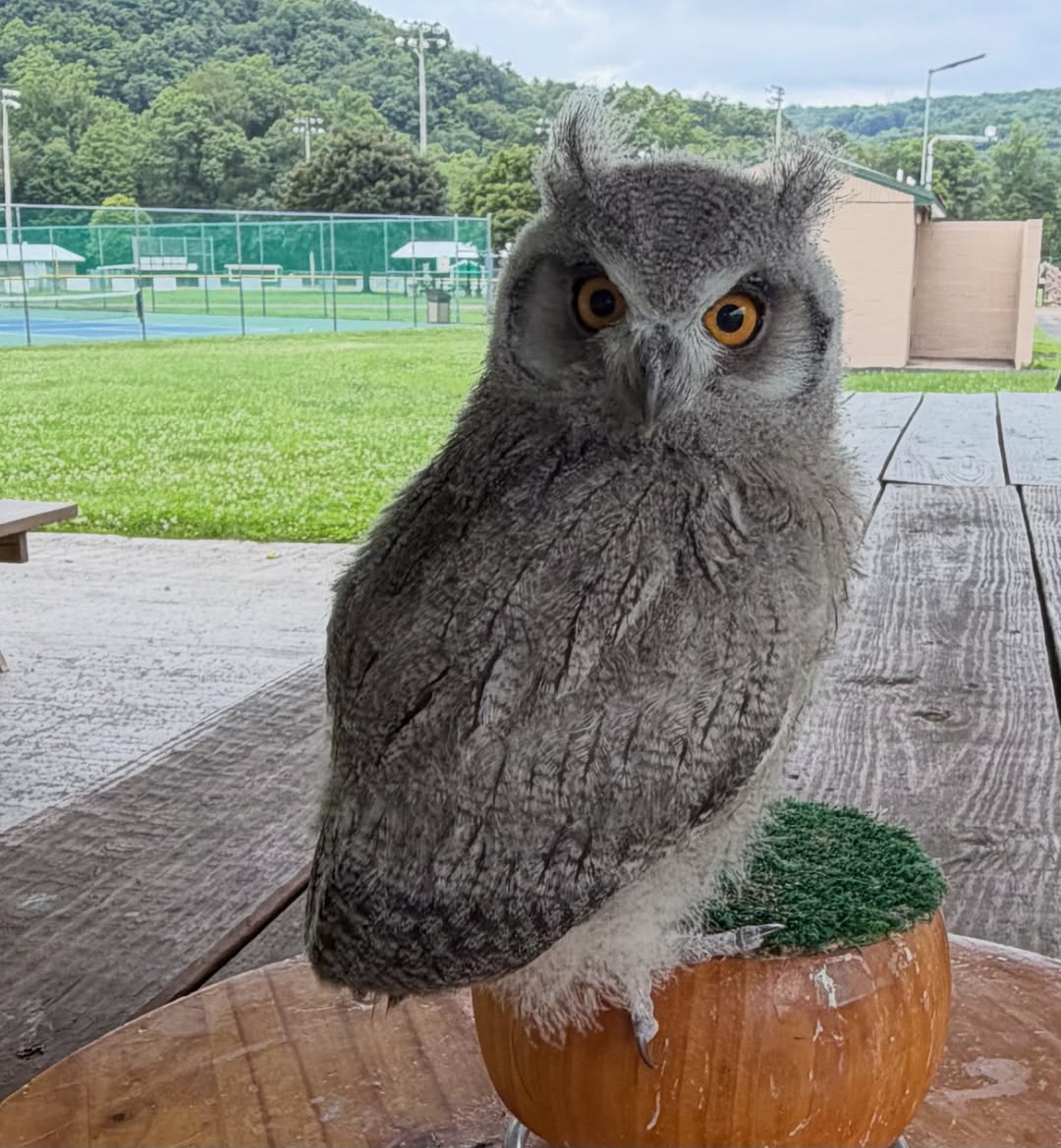
Birds of prey need even more space. Hawks, owls, and other raptors should never be crowded or called in for a photo. If you want a closer educational look, choose a proper Birds of Prey Program or a place like the Deep Creek Lake Discovery Center Aviary, where trained staff and approved programs help visitors learn responsibly.
What Is the Best Time to Photograph Wildlife at Deep Creek Lake?
The best time to photograph wildlife at Deep Creek Lake is usually early morning or late afternoon.
Morning is often quieter. The water may be calmer, trails may be less busy, and wildlife may be more active before the day heats up. Late afternoon can bring warm light across fields, trees, and lake edges.
Midday is not useless, though. Families may only have a midday window, and that is fine. Look for shaded trails, forest edges, and scenes where the animal is not sitting in harsh glare.
Season also changes the story.
Spring can bring bird activity and fresh green backgrounds. Summer is good for early starts, shaded walks, and water-based nature time. Fall adds color behind birds, deer, and scenic lake views. Winter can simplify the landscape with bare branches, quiet trails, and snow when conditions allow.
Weather in Garrett County can change quickly, especially near water and in colder seasons. Dress in layers, wear shoes with grip, bring water, and check local conditions before heading out.
How Do You Photograph Wildlife Safely and Respectfully?
Ethical wildlife photography tips in Maryland are not complicated. The hard part is following them when the perfect photo seems almost close enough.
Keep distance.
Never feed wildlife.
Do not chase animals.
Do not disturb nests, dens, or resting places.
Leave room for wildlife to move away.
If an animal stops feeding, turns repeatedly toward you, backs away, freezes, or changes direction because of your presence, you are too close.
For black bear, deer, raptors, and other native Maryland wildlife, distance protects both you and the animal. Maryland DNR also advises visitors not to handle injured, sick, or orphaned wildlife themselves and to contact proper wildlife resources instead.
The best photo is not the closest photo. It is the one where the animal still looks like it belongs to itself.
A Realistic Morning for a Beginner
Imagine a couple staying near McHenry. They drive out early with coffee, one camera, and one phone. The plan is simple: get a few wildlife photos before breakfast.
At first, nothing happens.
Then they notice movement along the water. A duck is preening. Instead of walking closer, they stop. One person kneels. The other stays still. The duck shakes once, then stretches its wings.
The photos are not magazine covers, but they feel alive. Water lifts from the feathers. The background is soft. The memory is better because they waited.
That is the kind of progress beginners should look for. Not perfection. Better seeing.
Quick Beginner Checklist Before You Go
Before heading out for Deep Creek Lake outdoor photography, keep this short checklist handy:
- Charge your phone or camera.
- Bring a longer lens if you have one, but do not worry if you do not.
- Wear quiet, comfortable clothing.
- Pack water and an extra layer.
- Start early or go late when possible.
- Focus on the eye.
- Keep wildlife wild.
- Crop later instead of crowding now.
This is also a good approach for families. Children often notice movement before adults do, especially if they are given a simple job: “Look for birds, tracks, feathers, or ripples.”
That turns the walk into a small treasure hunt instead of a lecture.
Is a Guided Nature Experience Worth It?
If you are new to the area, a guided experience can save energy and reduce guesswork.
A guide cannot promise wildlife, and no honest guide should. What a guide can do is help you slow down, choose a safe route, understand local habitats, and notice small signs of life around the trail or water.
That matters when you are visiting Deep Creek Lake for a short trip. You may not know which path fits your group, what to wear, how muddy a trail gets, or where the quiet water starts. A guide helps turn uncertainty into a calmer day outside.
For visitors interested in wildlife photography tours near Deep Creek Lake Maryland, the best fit is usually not a staged photo shoot. It is a nature-focused outing where photography becomes part of the experience, not the whole point.
Conclusion: Better Photos Start With Better Attention
Wildlife photography at Deep Creek Lake begins with a simple shift: stop trying to force the photo and start noticing what the place is already offering.
A bird stretching after preening. A deer at the woodline. A hawk riding the air above Garrett County. A quiet paddle on Savage River Reservoir. These moments do not need to be rushed.
They need room.
For help choosing a guided outdoor experience, contact All Earth Eco Tours at 301-746-4083 or Carol@allearthtours.com. Ask about kayak tours, guided hikes, nature walks, the Birds of Prey Program, and beginner-friendly outdoor experiences near Deep Creek Lake.
Wildlife sightings are never guaranteed. Animals move naturally through their habitats, and each outing depends on season, weather, time of day, and wildlife behavior. Tours are educational and nature-focused, not staged wildlife photo shoots. Beginners are welcome, professional camera gear is not required, and wildlife safety should always come before getting the shot.
FAQ
Is wildlife photography at Deep Creek Lake for beginners easy to start?
Yes. Start with quiet locations, soft light, and simple subjects like ducks, songbirds, or deer seen from a safe distance.
How do you photograph wildlife at Deep Creek Lake without disturbing animals?
Move slowly, stay back, avoid feeding wildlife, and leave if the animal changes its behavior because of you.
What is the best time to see wildlife at Deep Creek Lake?
Early morning and late afternoon are often best because the light is softer and many animals are more active.
What animals can you photograph near Deep Creek Lake?
Visitors may see waterfowl, songbirds, raptors, white-tailed deer, squirrels, and other native wildlife depending on season and location.
What are the best Deep Creek Lake bird photography tips?
Watch before moving, get lower when possible, focus on the eye, and wait for natural behavior like feeding, preening, or flight.
What camera settings help wildlife photography beginners?
Use a fast shutter speed for movement, continuous autofocus for birds, and burst mode when action starts.
Can phone photography work for wildlife at Deep Creek Lake?
Yes. Tap to focus, hold the phone steady, avoid heavy digital zoom, and include the landscape when animals are far away.
Are guided wildlife viewing trips near Deep Creek Lake helpful?
Yes. Guided wildlife viewing can help beginners learn local habitats, safety basics, and better ways to notice wildlife.
Are Deep Creek Lake kayak tours with wildlife viewing good for families?
They can be a good fit for families who want a calm outdoor experience, especially when the route and conditions match the group’s comfort level.
What are the best nature tours Deep Creek Lake families should consider?
Families often enjoy guided walks, kayak outings, bird-focused programs, and beginner-friendly nature tours that mix learning with relaxed outdoor time.